












STI test for women

Test for the most common STIs.

Taking an STI test can feel a little daunting. That’s completely normal. You may have questions, feel a little uncomfortable or wonder if you’re the only one. We can reassure you: you’re definitely not alone. It can happen to anyone, and getting tested is simply a smart and responsible thing to do.

  •  
  • Test anonymously from home
  • ISO-certified laboratory
  • Reliable, discreet and secure
  • Pickup point / parcel locker available
  • Results validated by a biochemist
From just 49,95
Female

STI test for women

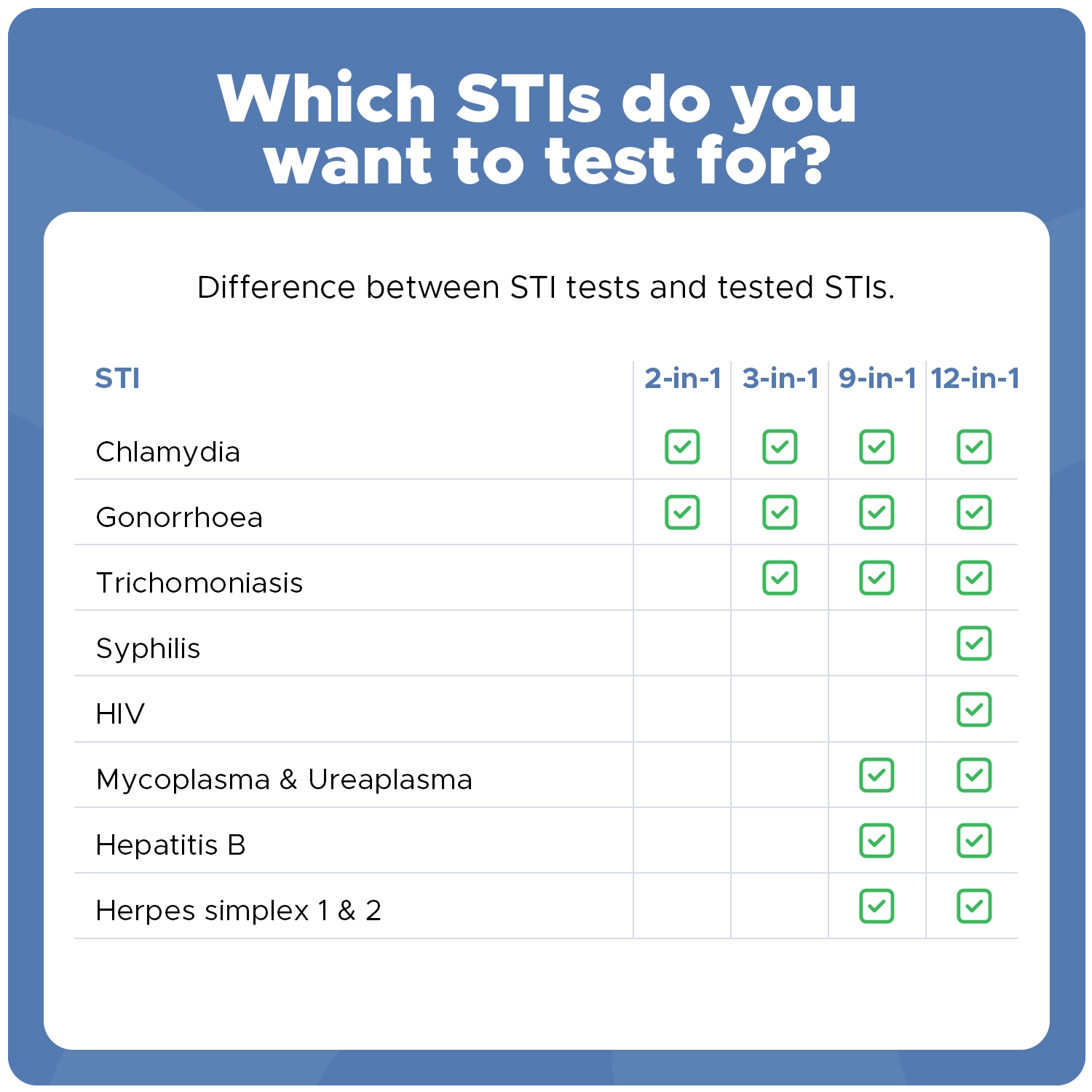
With our STI test for women, you can test yourself for two, three, nine or twelve of the most common STIs.

STI test for women 2-in-1

With a vaginal swab, you can test yourself for the two most common STIs.

STI test for women 3-in-1

With a vaginal swab, you can test yourself for the three most common STIs.

STI test for women 9-in-1

With a vaginal swab, you can test yourself for nine common STIs.

STI test for women 12-in-1

With a vaginal swab and a small finger-prick blood test, you can test yourself for twelve common STIs.

  • Discreetly packaged and anonymously tested
  • Fits through the letterbox
  • Tested in an ISO-certified laboratory
  • Pickup point / parcel locker available
  • Results validated by a biochemist
  • More than 1,800 people have already tested with us. Rated 9.7!

STI test 2-in-1 – the two most common STIs

With the STI test 2-in-1, you can test for the two most common STIs: chlamydia and gonorrhoea.
The test is easy to perform yourself using a urine sample, which you then return to the laboratory free of charge. Your results will be available securely online within a few working days.

STI test 3-in-1 – the three most common STIs

With the STI test Basic, you can test for the three most common STIs: chlamydia, gonorrhoea and trichomoniasis.
You perform the test yourself using a vaginal swab and then simply return it to the laboratory. Your results will be available securely online within a few working days.

STI test 9-in-1 – comprehensive test with vaginal swab

The STI test 9-in-1 tests a vaginal swab for nine common STIs: chlamydia, gonorrhoea, trichomoniasis, Mycoplasma genitalium, Mycoplasma hominis, Ureaplasma urealyticum, Ureaplasma parvum, herpes (HSV) 1 and herpes (HSV) 2. You can easily collect the swab using our test kit.

STI test 12-in-1 – the most comprehensive check

With the STI test Complete, you get a comprehensive overview of your sexual health. In addition to the nine STIs included in the 9-in-1 test, it also tests for:

  • Hepatitis B
  • HIV
  • Syphilis

To test for these STIs, we need one vaginal swab and a small blood sample, both of which you can easily collect using our test kit.


Chlamydia: symptoms in women

Chlamydia is common and often causes few or no symptoms. When symptoms do occur, they may include:

  • Pain or a burning sensation when urinating
  • Increased or unusual vaginal discharge, such as watery or milky discharge
  • Bleeding between periods
  • Bleeding after sex
  • Lower abdominal pain, sometimes with a mild fever
  • Pain during sex

Gonorrhoea: symptoms in women

Gonorrhoea can sometimes cause symptoms sooner than chlamydia. Possible symptoms include:

  • Yellow or greenish vaginal discharge
  • Pain or a burning sensation when urinating
  • Pain during sex
  • Abdominal pain or a persistent aching sensation in the lower abdomen
  • Bleeding between periods or after sex
  • With an anal infection: itching, irritation, mucus-like discharge, a frequent urge to pass stool or diarrhoea
  • With a throat infection: sore throat, difficulty swallowing or swollen lymph nodes in the neck after oral sex

Trichomoniasis: symptoms in women

Trichomoniasis is less well known but does occur. Common symptoms include:

  • Itching or redness in or around the vagina
  • An unpleasant or burning sensation when urinating
  • Green or yellowish, sometimes foamy discharge with an unpleasant odour

HIV: symptoms in women

HIV affects the immune system. During the first few weeks after infection, flu-like symptoms may occur, such as:

  • Fever and night sweats
  • Sore throat and swollen lymph nodes
  • Muscle and joint pain
  • Skin rash

Afterwards, HIV can cause no noticeable symptoms for years while still being transmissible.

Syphilis: symptoms in women

Syphilis develops in stages:

  • Primary stage: a painless sore on or around the vagina, anus or mouth. The sore often heals on its own, but the infection remains present.
  • Secondary stage: skin rash, often on the palms of the hands and soles of the feet, flu-like symptoms, hair loss and swollen lymph nodes.
  • Later stages: without treatment, syphilis can cause serious damage to organs, nerves and the brain.

Hepatitis B: symptoms in women

Hepatitis B is a virus that affects the liver. It often causes few or no symptoms, but possible symptoms include:

  • Fatigue
  • Fever and nausea
  • Jaundice (yellowing of the skin or eyes)
  • Dark urine and pale stools
  • Abdominal pain

Herpes simplex (types 1 & 2): symptoms in women

Herpes causes recurring infections. Symptoms often include:

  • Painful blisters or sores on or around the vagina, anus or mouth
  • Tingling, itching or burning before the blisters appear
  • Pain when urinating due to sores
  • Sometimes flu-like symptoms during the first outbreak

Mycoplasma genitalium: symptoms in women

Often without symptoms, but it can cause:

  • Vaginal discharge
  • Pain or a burning sensation when urinating
  • Pain during sex
  • Inflammation of the cervix or pelvis

Mycoplasma hominis: symptoms in women

Mycoplasma hominis often occurs without noticeable symptoms. In some cases, it may contribute to:

  • Vaginal irritation or inflammation
  • Pelvic inflammation, particularly when other bacteria are also present

Ureaplasma urealyticum: symptoms in women

This bacterium can be present in the vaginal flora without causing problems. In some cases, it may cause:

  • Pain or a burning sensation when urinating
  • Vaginal irritation
  • Discharge or mild inflammatory symptoms

Ureaplasma parvum: symptoms in women

Ureaplasma parvum is a bacterium that naturally occurs in many women’s vaginal flora. It often causes no symptoms. In some cases, however, it may contribute to mild inflammation or irritation. Possible symptoms include:

  • Pain or a burning sensation when urinating
  • Increased or unusual vaginal discharge
  • Mild vaginal irritation or itching
  • Pain during or after sex
  • In some cases, pelvic pain or inflammation of the cervix

As with Ureaplasma urealyticum, the presence of the bacterium does not necessarily mean there is an infection. Treatment may only be necessary when symptoms are present or when other microorganisms are also involved.

Please note: no symptoms does not mean no STI

Many women with an STI have no symptoms but can still pass the infection on to a sexual partner. Regular testing is therefore advisable, especially if you have multiple sexual partners or have had unprotected sex.

Sexually transmitted infections (STIs)

Sexually transmitted infections (STIs) are infections that you can contract through sexual contact. This can happen through the vagina, anus or mouth, but also through fingers or sex toys. Many STIs cause few or no symptoms. Nevertheless, they can affect your health in the long term, and you may unknowingly pass them on to a partner.

That is why regular testing is advisable if you have been at risk. This helps you take responsibility for your own health and that of your partner(s).

Chlamydia – The silent infection

Chlamydia is one of the most common STIs in the Netherlands and often causes no symptoms. However, untreated chlamydia can have serious consequences for women, including inflammation of the uterus or fallopian tubes, chronic pelvic pain, reduced fertility or an ectopic pregnancy.

Possible symptoms:

  • Pain or a burning sensation when urinating
  • Increased or unusual vaginal discharge
  • Lower abdominal pain
  • Bleeding between periods or after sex

Fortunately, chlamydia can be effectively treated with antibiotics.

Gonorrhoea – The highly contagious bacterium

Gonorrhoea is highly contagious. Many women have no symptoms, but if left untreated, it can cause pelvic inflammatory disease, reduced fertility or an ectopic pregnancy.

Possible symptoms:

  • Yellow or greenish discharge
  • Pain when urinating or during sex
  • Abdominal pain
  • Bleeding outside the normal menstrual period
  • Sore throat or anal symptoms after oral or anal sex

Gonorrhoea can also be effectively treated, but early testing is important.

Trichomoniasis – The silent parasite

This parasite is less common but can remain present unnoticed for a long time. In women, it can cause an unpleasant inflammation of the vagina or cervix.

Possible symptoms:

  • Itching or irritation in the vagina
  • Unpleasant odour
  • Foamy, yellow-green discharge
  • Burning sensation when urinating

Treatment is straightforward, but important to prevent symptoms and further transmission.

HIV – The virus that affects your immune system

HIV is a virus that weakens the immune system. Flu-like symptoms often occur shortly after infection, but the virus can then remain unnoticed for years. Without treatment, HIV can progress to AIDS, but modern medication allows people with HIV to live healthy lives.

Possible symptoms shortly after infection:

  • Fever and night sweats
  • Sore throat and swollen lymph nodes
  • Muscle pain and skin rash

Early detection and treatment are crucial.

Syphilis – A potentially serious infection

Syphilis develops in stages and can cause serious damage if left untreated.

Possible symptoms:

  • Initially: a small, painless sore around the vagina, anus or mouth
  • Later: skin rash, fever, hair loss and swollen lymph nodes
  • Without treatment: damage to organs, nerves or the brain

Hepatitis B – Inflammation of the liver

Hepatitis B is a virus that affects the liver. Sometimes there are few or no symptoms, but it can have serious consequences.

Possible symptoms:

  • Fatigue and nausea
  • Jaundice (yellowing of the skin or eyes)
  • Dark urine and pale stools
  • Abdominal pain

In some cases, hepatitis B becomes chronic and can lead to liver disease.

Herpes simplex (types 1 & 2) – Recurring blisters

Herpes is a virus that remains in the body and can recur.

Possible symptoms:

  • Painful blisters or sores around the vagina, anus or mouth
  • Tingling or itching before the blisters appear
  • Pain when urinating due to sores

There is no cure for herpes, but symptoms can be effectively treated.

Mycoplasma genitalium – A hidden bacterium

This STI is somewhat similar to chlamydia and can also cause inflammation of the cervix or fallopian tubes.

Possible symptoms:

  • Discharge
  • Pain when urinating
  • Pain during sex
  • Sometimes pelvic inflammatory disease

Mycoplasma hominis – Often without symptoms

This bacterium often occurs without noticeable symptoms. In some cases, it may contribute to vaginal inflammation or pelvic symptoms.

Possible symptoms:

  • Vaginal irritation
  • Discharge or mild pain

Ureaplasma urealyticum – Usually harmless

This bacterium can also be present in the vaginal flora without causing symptoms. In some cases, it may cause irritation.

Possible symptoms:

  • Burning sensation when urinating
  • Mild vaginal irritation or discharge

Ureaplasma parvum – The often unnoticed bacterium

Ureaplasma parvum is a bacterium that naturally occurs in the vaginal flora of many women. It usually causes no symptoms, but in some women it may contribute to mild inflammation or irritation. In combination with other bacteria, Ureaplasma parvum may sometimes contribute to an infection of the cervix or urinary tract.

Possible symptoms:

  • Pain or a burning sensation when urinating
  • Increased or unusual vaginal discharge
  • Mild vaginal irritation or itching
  • Pain during or after sex
  • Sometimes a persistent aching sensation in the lower abdomen

In most cases, treatment is not necessary unless clear symptoms or inflammation are present.

Important to know

Having no symptoms does not mean that you do not have an STI. Precisely because STIs are often present without noticeable symptoms, regular testing is advisable, especially if you have multiple sexual partners or have had sex without a condom. This helps protect not only yourself but also your partner(s).

When is the best time to test for an STI?

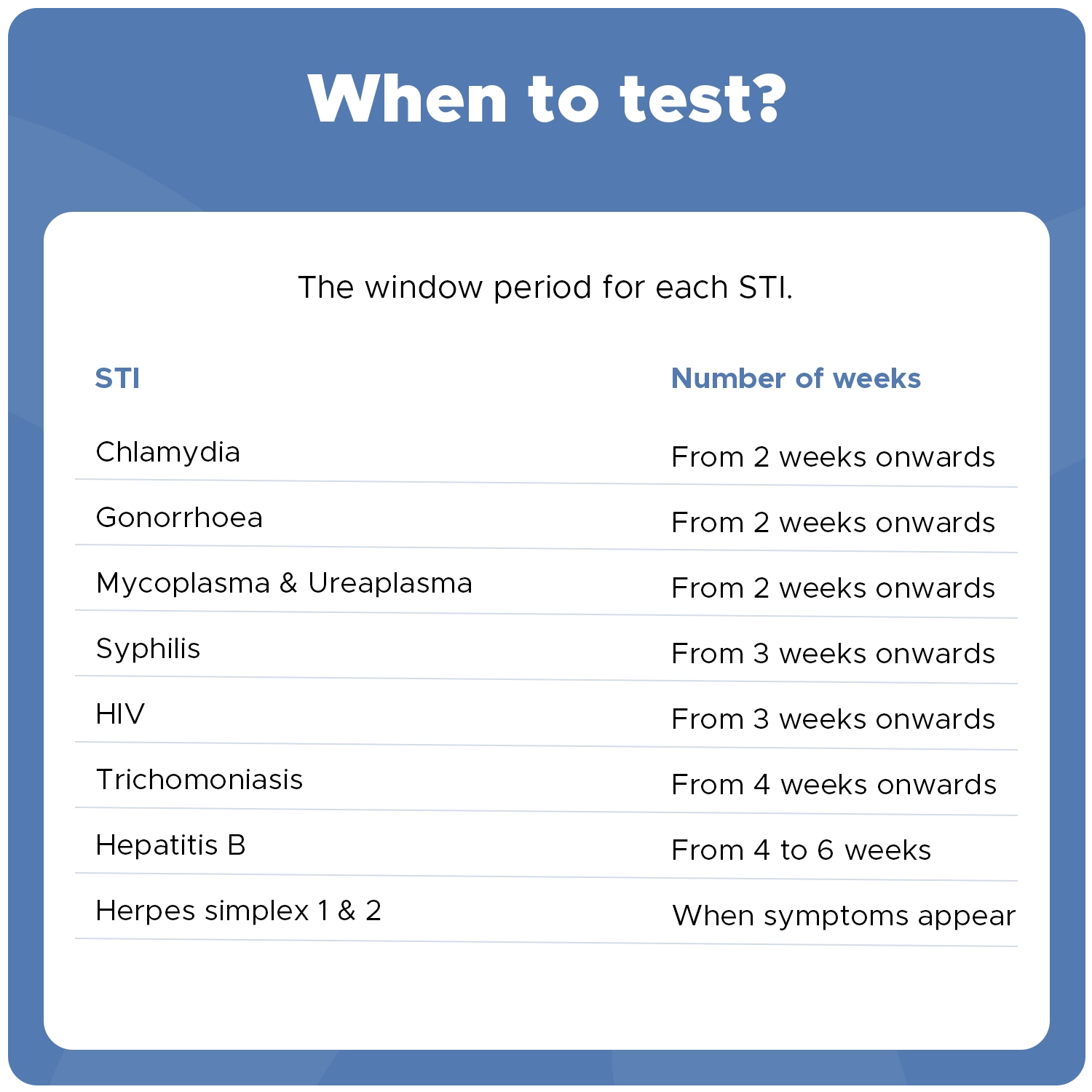
After possible exposure to an STI, there is a period during which a test may not yet be able to detect the infection. This is known as the window period. It is important to wait until this period has passed to ensure that your result is as reliable as possible.

STI test 2-in-1

When to test?

Chlamydia – from 2 weeks after exposure
Gonorrhoea – from 2 weeks

STI test 3-in-1

When to test?

Chlamydia – from 2 weeks after exposure
Gonorrhoea – from 2 weeks
Trichomoniasis – from 4 weeks

STI test 9-in-1

When to test?

Chlamydia – from 2 weeks
Gonorrhoea – from 2 weeks
Trichomoniasis – from 4 weeks
Hepatitis B – from 4 to 6 weeks
Herpes simplex 1 & 2 – as soon as symptoms or signs appear (blisters, sores)
Mycoplasma & Ureaplasma – from 2 weeks

STI test 12-in-1

When to test?

Chlamydia – from 2 weeks
Gonorrhoea – from 2 weeks
Trichomoniasis – from 4 weeks
Syphilis – from 3 weeks (more reliable after 6 weeks)
HIV – from 3 weeks (more reliable after 6 weeks)
Hepatitis B – from 4 to 6 weeks
Herpes simplex 1 & 2 – as soon as symptoms or signs appear (blisters, sores)
Mycoplasma & Ureaplasma – from 2 weeks

What does your test result mean?

If you order a home test from us, you will receive a clear and reliable laboratory result in your personal secure environment. Test results provide a snapshot in time and can be influenced by factors such as diet, lifestyle, medication and the time of sample collection. Abnormal results do not automatically mean that you have a medical condition.

Positive test result

A positive result means that an STI has been detected. It is important to seek treatment, both for your own health and to prevent passing the infection on to others. If you receive a positive result, contact your doctor. You should also inform your current or former sexual partners so they can get tested and receive treatment if necessary.

Negative test result

A negative result means that no STI was detected in your sample. You therefore do not currently require treatment for the STIs tested.

When will you receive your results?

You will usually receive your laboratory results within 1 to 3 working days after sending your sample to us.

How can you view your results?

Your results are available in your personal online dashboard. There, you can see whether you tested positive or negative for each STI, with clear and easy-to-understand explanations.

Contents STI test for women 12-in-1 (Serum & Vaginal Swab)

1 x Cotton swab
barcodesticker serum
1 x Swab barcode sticker
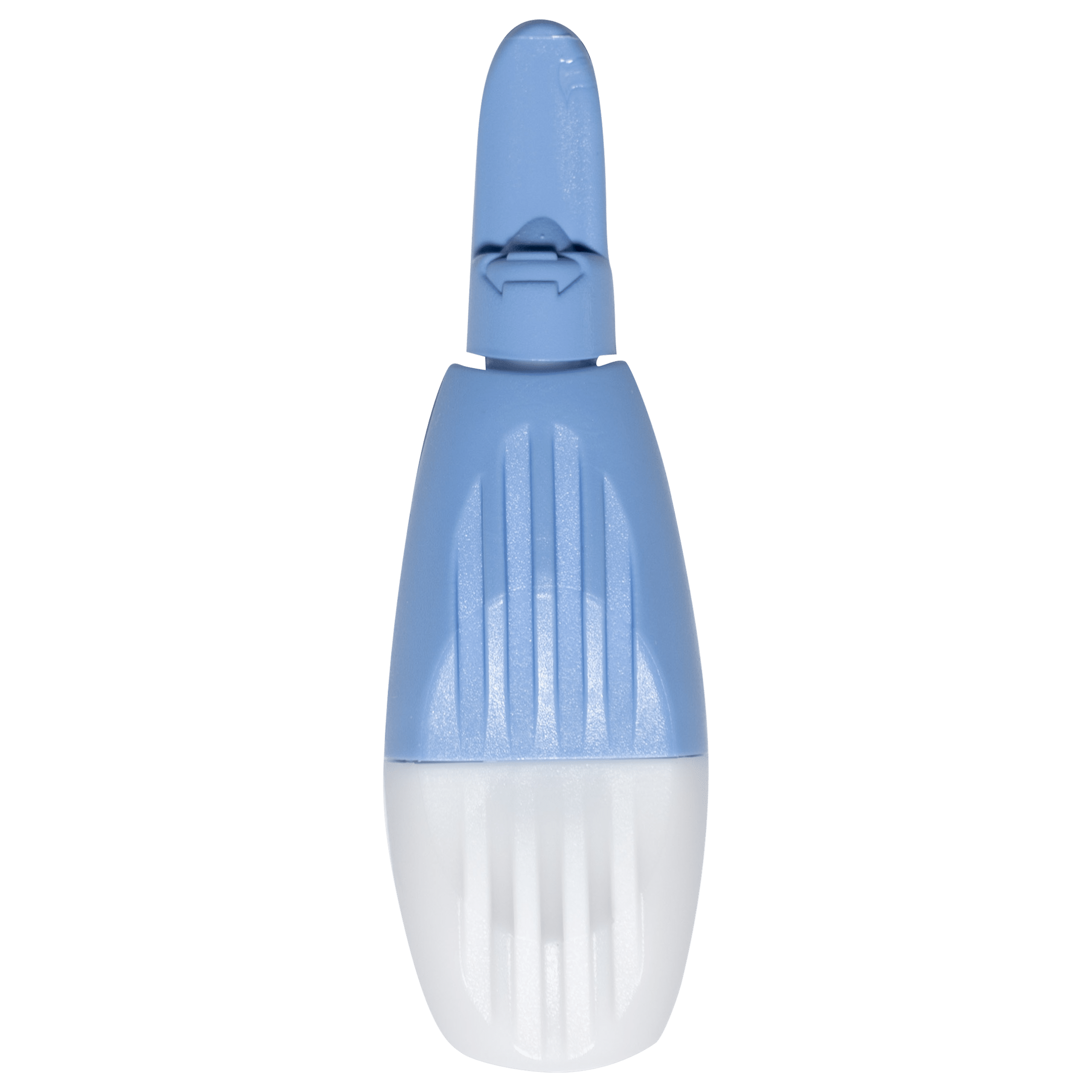
1 x Lancet
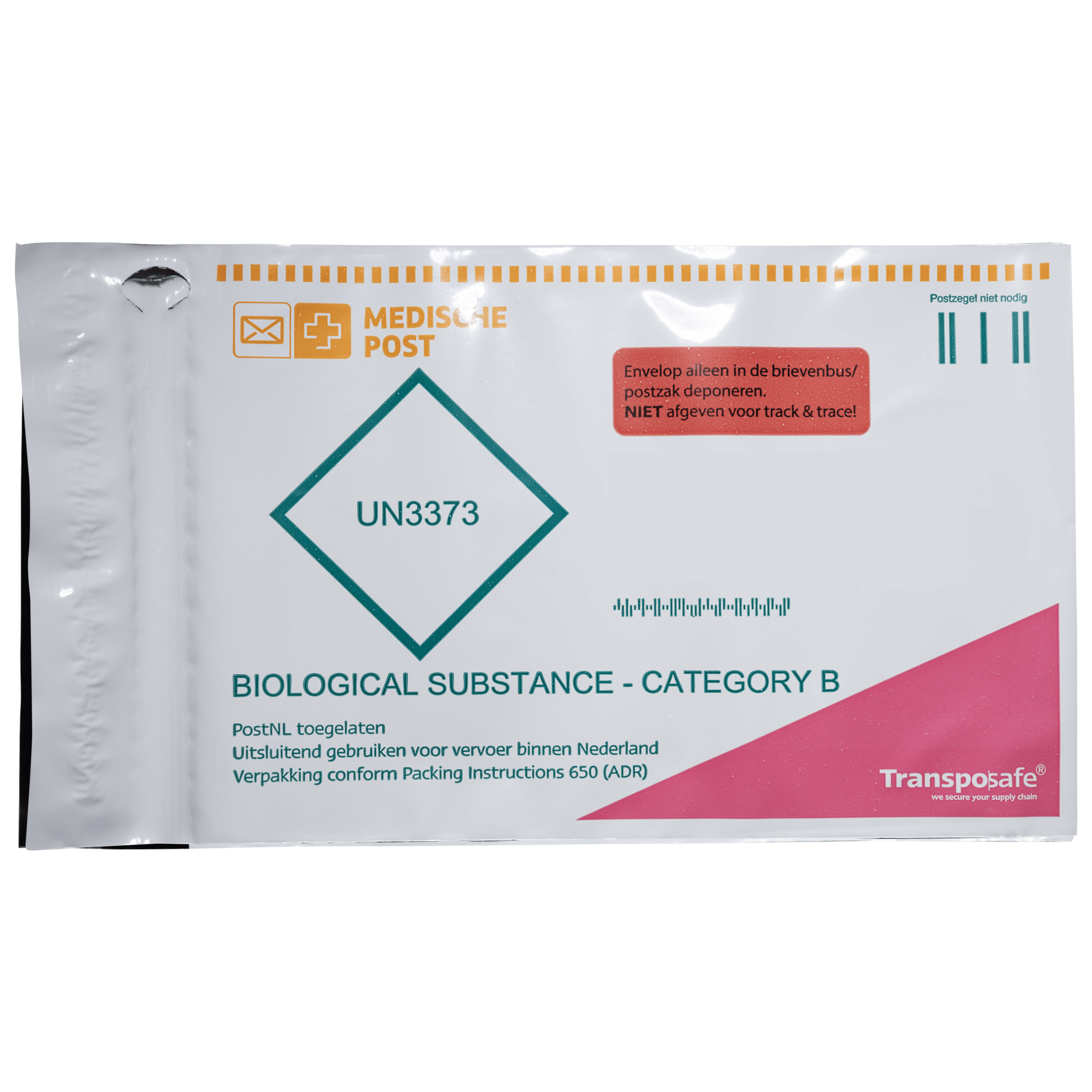
1 x Return envelope
2 x Plaster
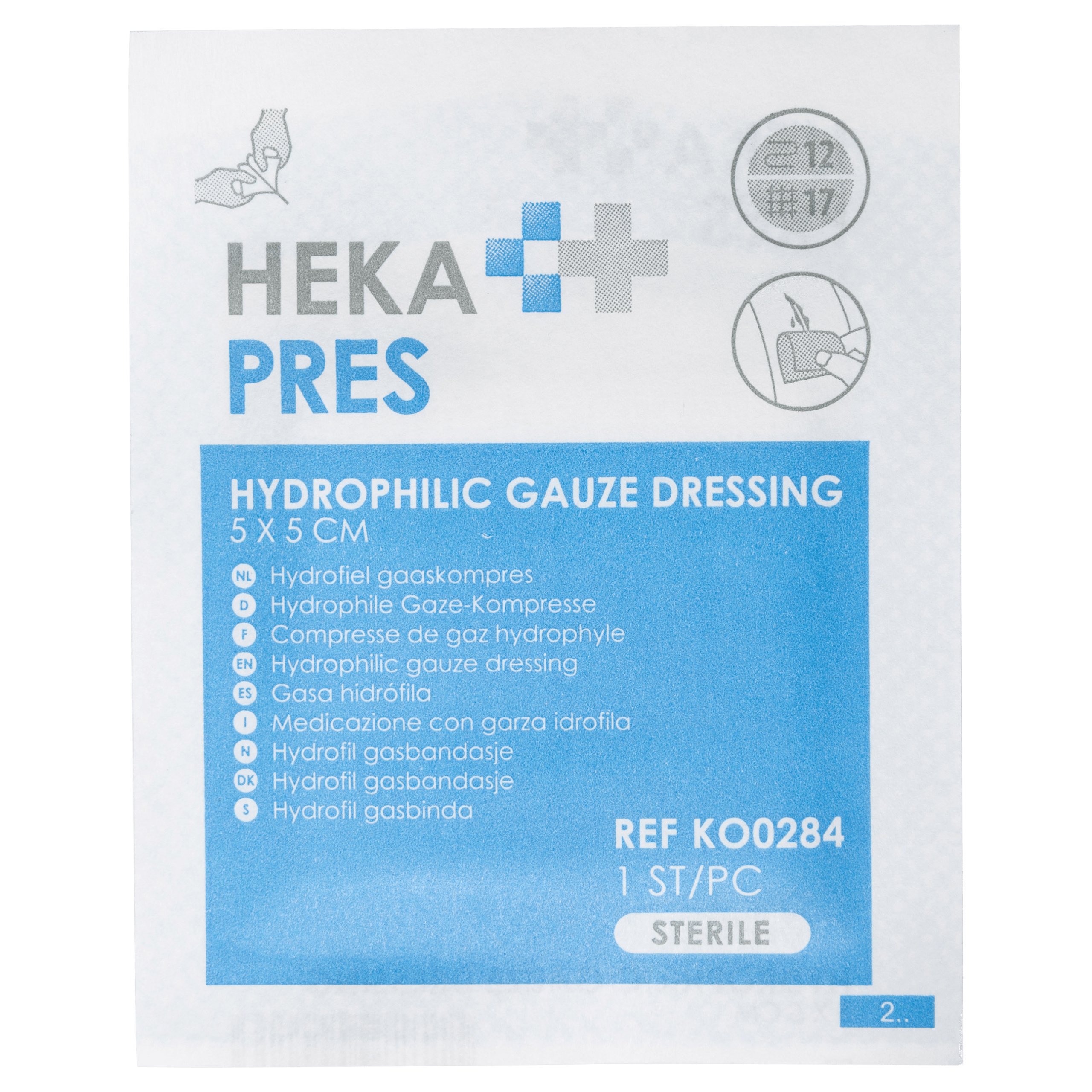
1 x Gauze pad
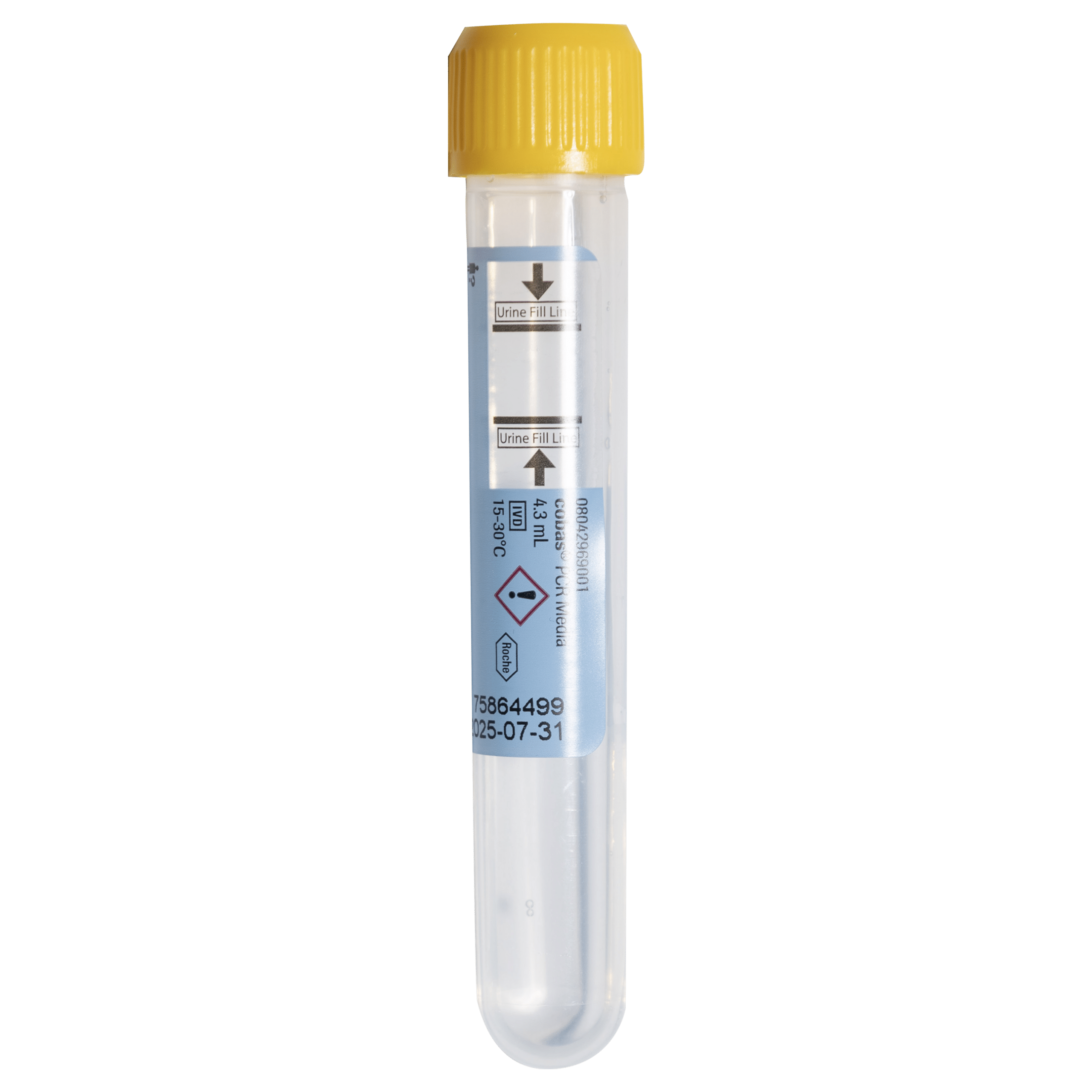
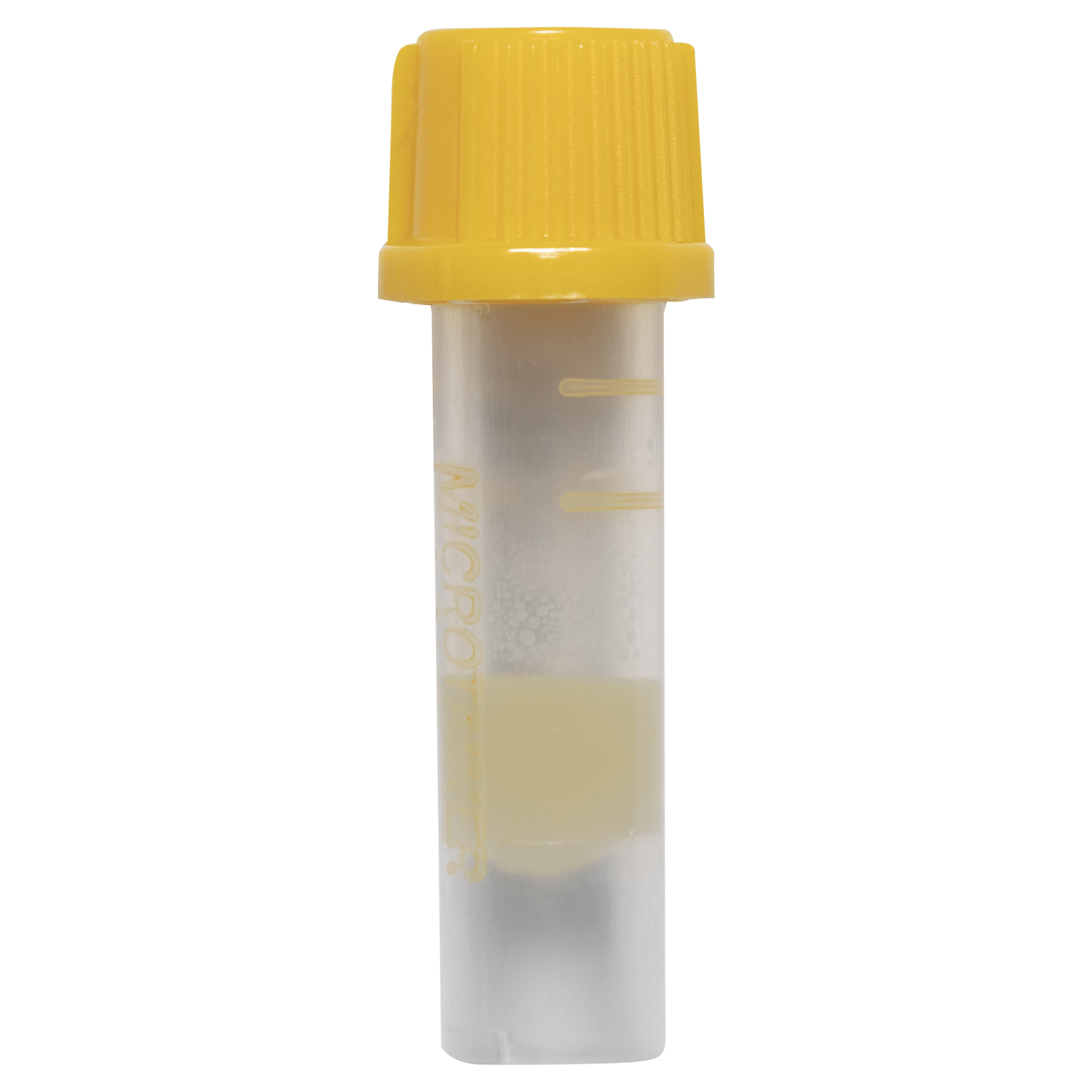
1 x Vaginal swab collection tube
1 x Blood collection tube
barcodesticker serum
1 x Blood barcode sticker
1 x Collection tube holder
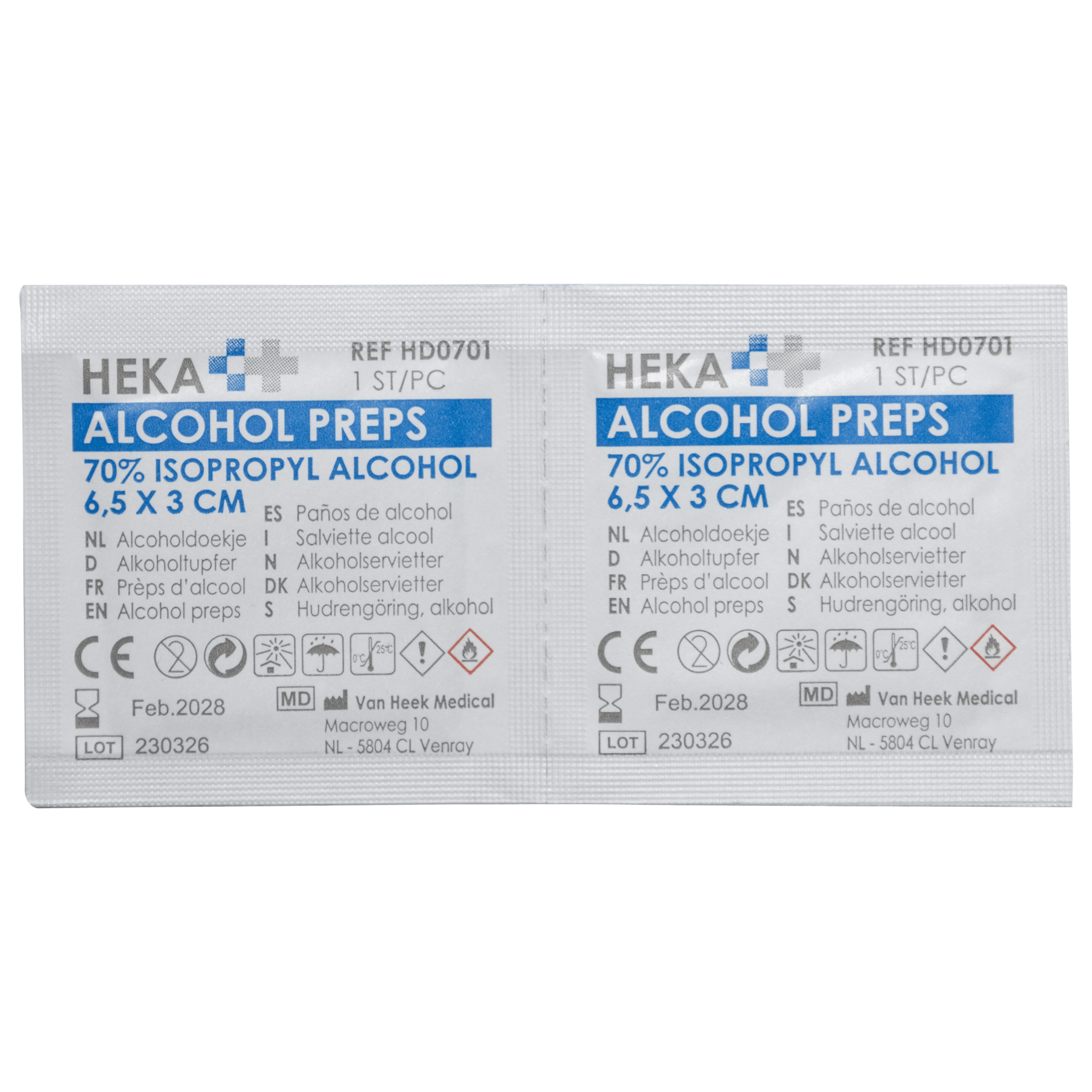
2 x Alcohol wipe
1 x Instructions
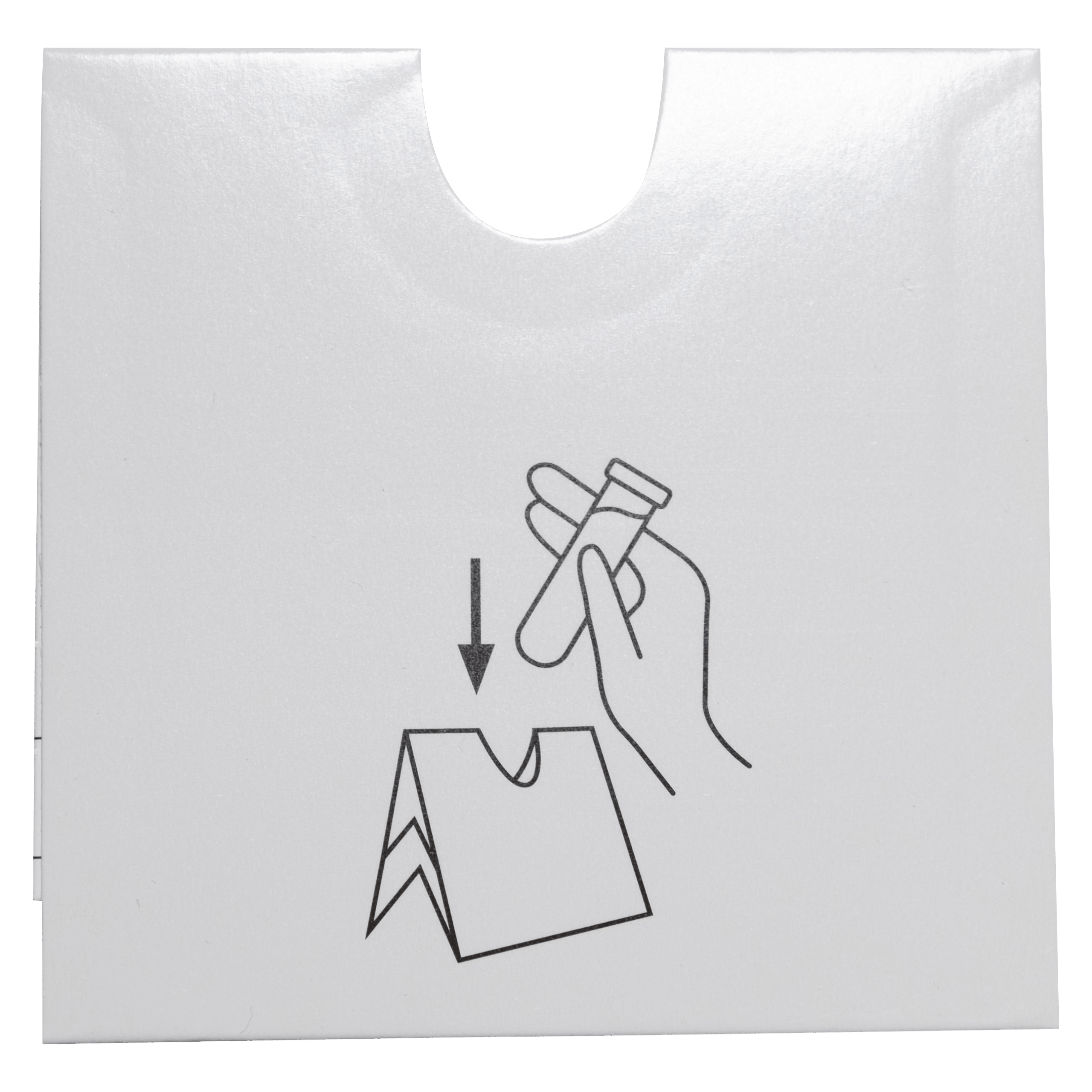
1 x Protective bag with absorbent pad
activatiekaart
1 x Activation card

Manuals STI test for women 12-in-1 (Serum & Vaginal Swab)

Contents STI test for women 2-in-1 (Vaginal Swab)

1 x Cotton swab
barcodesticker serum
1 x Swab barcode sticker
1 x Collection tube holder
1 x Vaginal swab collection tube
1 x Return envelope
1 x Instructions
1 x Protective bag with absorbent pad
activatiekaart
1 x Activation card

Manuals STI test for women 2-in-1 (Vaginal Swab)

Contents STI test for women 3-in-1 (Vaginal Swab)

1 x Cotton swab
barcodesticker serum
1 x Swab barcode sticker
1 x Collection tube holder
1 x Vaginal swab collection tube
1 x Return envelope
1 x Instructions
1 x Protective bag with absorbent pad
activatiekaart
1 x Activation card

Manuals STI test for women 3-in-1 (Vaginal Swab)

Contents STI test for women 5-in-1 (Serum & Vaginal Swab)

1 x Cotton swab
barcodesticker serum
1 x Swab barcode sticker
1 x Lancet
1 x Return envelope
2 x Plaster
1 x Gauze pad
1 x Vaginal swab collection tube
1 x Blood collection tube
barcodesticker serum
1 x Blood barcode sticker
1 x Collection tube holder
2 x Alcohol wipe
1 x Instructions
1 x Protective bag with absorbent pad
activatiekaart
1 x Activation card

Manuals STI test for women 5-in-1 (Serum & Vaginal Swab)

Contents STI test for women 9-in-1 (Vaginal Swab)

1 x Cotton swab
barcodesticker serum
1 x Swab barcode sticker
1 x Collection tube holder
1 x Vaginal swab collection tube
1 x Return envelope
1 x Instructions
1 x Protective bag with absorbent pad
activatiekaart
1 x Activation card

Manuals STI test for women 9-in-1 (Vaginal Swab)

What about my privacy?

We keep your testing as anonymous as possible. How do we do that?

Your order

Your order details are retained for as long as necessary and are removed from the webshop after 2 months.

Your test kit

Your order is delivered in discreet, unbranded packaging. The test kit itself also contains no visible information about what is being tested.

The laboratory

For an anonymous analysis, you can choose to share only your date of birth and gender with the laboratory. No other personal information is shared.

Your result

You can download your laboratory result for one month. After this period, we automatically delete the report.

Your account

You can delete your account at any time. If your account is inactive for 2 years, it will be automatically deleted.

How does it work?

Your result in four simple steps
Order a test
Step 1

Order a test

After placing your order, you will receive the test kit in discreet packaging. Use the information provided in the box to activate your test kit.
You will receive your order in discreet packaging.
Collect and send your sample
Step 2

Collect and send your sample

You can easily collect the samples yourself whenever it suits you and return them free of charge in the enclosed return envelope.
With our free return envelope.
Sample analysis
Step 3

Sample analysis

Once your sample has arrived at the laboratory, you will usually receive your test result within one working day.
Results usually within 1–2 working days.
Receive your results
Step 4

Receive your results

You will receive an email when your test result is ready, and you can view your result online in a secure environment.
View and download your results in your secure online account.

Frequently Asked Questions Everything about STI test for women

Have you recently found out that you have an STI?

It is important to inform your recent sexual partners. This helps prevent them from developing symptoms or complications, passing the infection on to others, or you becoming reinfected if you have sex with them again.

In most cases, it is advisable to inform everyone you have had sex with in the past 6 months. In some situations, it is also a good idea to notify earlier partners, for example if you have not been tested regularly and are unsure who you contracted the STI from. Discuss with your GP or the GGD who you should contact.

How do you tell your sexual partner(s)?

It can be difficult, but there are several ways to make it easier:

  • Personally, by phone or email.
  • Anonymously, through websites such as partnerwaarschuwing.nl. This allows you to let someone know that they should get tested without mentioning your name.
  • With help from a doctor or nurse, for example from your GP or the GGD.

Whichever method you choose, informing your partners is an important step. This allows them to get tested as well and receive treatment if necessary.

This test is performed using a swab.
Please note: not all STIs can be detected with a swab. Sometimes a urine test or finger-prick test is required.

At the moment, STI tests are not reimbursed by your health insurance. If you get tested through the GGD and belong to a risk group, the test is free.

If you go to your GP for an STI test, this is usually charged to your deductible. How much you have to pay yourself depends on your health insurance policy. If you are unsure, contact your health insurer. In almost all cases, getting an STI test through your GP is more expensive than our STI test.

If you do not belong to a risk group or if the GGD is busy, you can still get tested through your GP or anonymously and discreetly through us. Please note that we currently do not have agreements with health insurers.

Reliable results, just like with your GP

With us, you can rely on the same quality and reliability as an STI test performed by your GP or the GGD. We work with certified laboratories that also perform tests for medical institutions. This ensures you receive an accurate, professional, and discreet result, often within just a few days.

Rapid home tests, such as those sometimes available at pharmacies, are unfortunately not always equally reliable. They can produce incorrect results, which may lead to unnecessary concerns or false reassurance. Choose certainty with a high-quality laboratory test.

For privacy reasons, our test kits do not contain any personal information. Therefore, you must first register your test using the unique 10-digit kit code before sending it to the laboratory.

This ensures that your test is correctly linked to your account. Without registration, the laboratory cannot process your test and you will not receive your results.

If you are under 18 years old, we recommend that you do not test yourself for an STI independently at home. In that case, it is best to contact the GGD in your area or your GP. They can provide proper guidance and know exactly what you need.

It is also important to take the window period into account. This is the period between the moment you may have become infected (for example, after unprotected sex) and the moment when an STI can be detected in your body. If you test too early, an infection may still be undetectable even though you are infected. If you have taken a test during this period and the result was negative, get tested again as a precaution after the end of the window period.

According to health organisations such as the GGD, there are certain groups of people who have a higher risk of contracting an STI (sexually transmitted infection).

These include:

  • People who have sex with multiple partners without using condoms
  • People who have been notified by a (former) partner about a possible STI
  • People with symptoms that may indicate an STI, such as itching, discharge, or pain when urinating
  • Men who have sex with men
  • People who work in the sex industry
  • People who use drugs through injection needles
  • People from countries or regions where STIs are more common
  • Women whose partner has sex with men, or whose partner comes from an area with a high prevalence of STIs.

The Centres for Sexual Health (CSGs) monitor the situation regarding STIs in the Netherlands every six months.

The four most common STIs in 2024 were: chlamydia, gonorrhoea, syphilis and HIV.

  • Chlamydia remains the most frequently detected STI, followed by gonorrhoea.
  • Syphilis and HIV occur mainly among men who have sex with men (MSM).
  • Among MSM with symptoms or a notification from a partner, an STI is found more often.

The biggest advantage of this STI home test is convenience: you can perform the test at home, in your own familiar environment. You do not need to visit your GP, the GGD, or another healthcare provider. Within a short time, you will receive your results together with a clear digital laboratory report. If necessary, you can easily share this report with your GP for further steps or medication.

You can test 100% anonymously, at a time that suits you best.

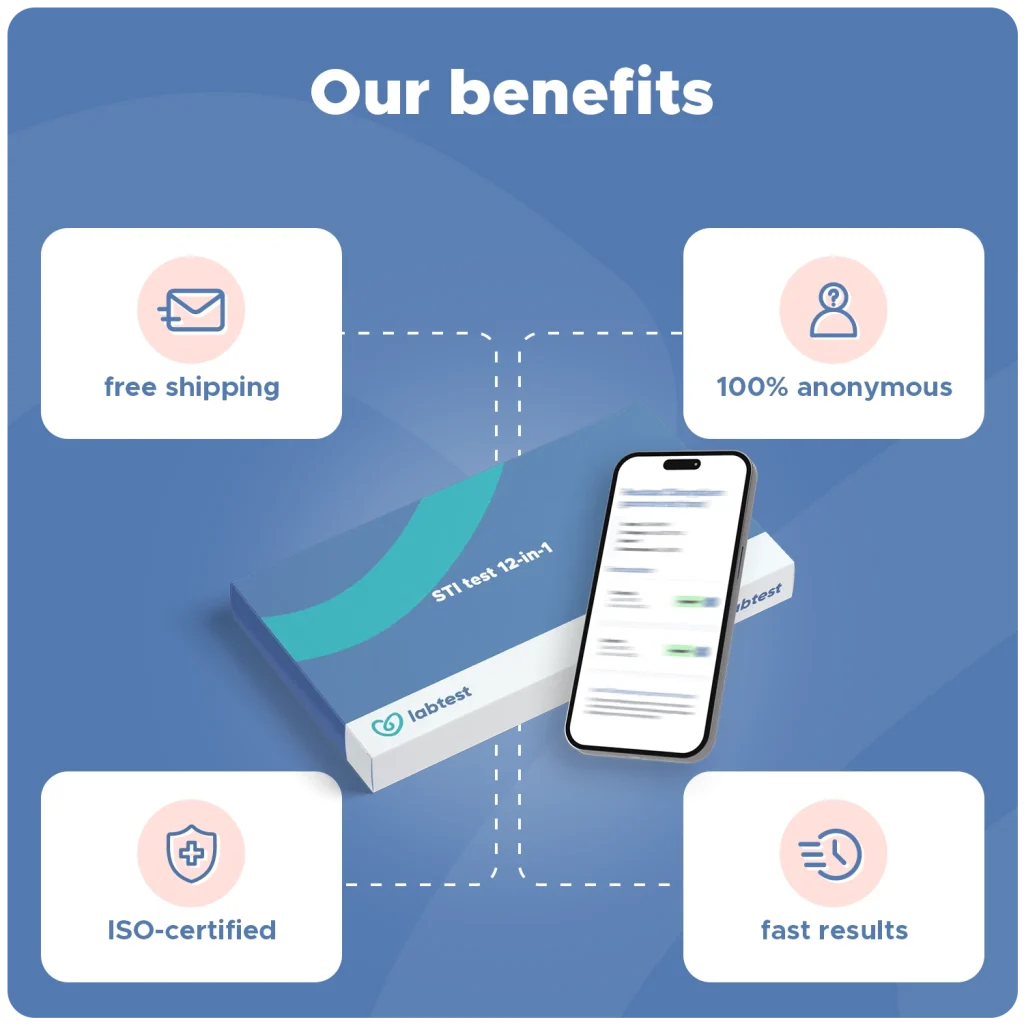
our benefits sti test 12-in-1

Yes, all our tests are completely confidential. Your GP will not receive any information about the test unless you decide to share the results yourself with your GP for further analysis or treatment.

In the Netherlands, you can get tested for STIs for free at the GGD if you are under 25 years old or belong to a risk group. If you are older than 25 and do not belong to a risk group, you can get tested through your GP or use a home test. An STI home test is a convenient way to get tested through an ISO-certified laboratory, but it does not replace the care and expertise of a doctor.

An STI home test does not include physical examinations, personal medication is not prescribed (except in certain cases within the Netherlands), and no extensive aftercare is provided. If you receive a positive result, it is important to take your results to your GP for further examination, advice, and possible treatment.

If you have multiple sexual partners or are at risk of HIV or other STIs, it is advisable to get tested at least once every six months.

If you receive a warning from a (former) partner or notice symptoms that may indicate an STI, get tested as soon as possible once the window period has passed after your last sexual contact. The window period is the period between the moment of infection and the moment when an STI can be reliably detected by a test.

It is also recommended to get tested after unprotected sex with a new partner, for your own health and the health of others.

You receive your test results with a clear explanation and a digital laboratory report. With this report, you can visit your GP for further treatment.

If your test result is positive, we recommend contacting your GP or another doctor for the appropriate treatment.

By practising safe sex, you reduce the risk of contracting an STI (sexually transmitted infection). Safe sex includes, among other things, always using a condom during vaginal or anal sex, and possibly using a dental dam during oral sex. It is also important to clean sex toys properly, especially if they are used by multiple people.

Condoms and dental dams provide good protection against STIs such as chlamydia, gonorrhoea, trichomoniasis and mycoplasma genitalium. However, they do not provide 100% protection: there is always a small risk of infection, especially if the condom is not used correctly or tears.

Some STIs, such as genital warts, herpes and syphilis, can also be transmitted through skin-to-skin contact outside the area covered by a condom. Pubic lice and scabies are also spread through direct physical contact. In these cases, a condom or dental dam does not always provide sufficient protection.

HIV, hepatitis B, hepatitis C and syphilis can be transmitted through blood or other bodily fluids, such as semen, vaginal fluids or breast milk. Infection can occur through open wounds or small breaks in the skin or mucous membranes, for example during sex or by sharing contaminated needles. Hugging, sneezing, coughing or sharing cutlery does not pose a risk.

Condom use greatly reduces the risk of transmitting these viruses. Additional protection against HIV is possible through PrEP (a pill taken before potential exposure) or PEP (after a possible exposure). A vaccine is available for hepatitis B. In the Netherlands, among others, men who have sex with men (MSM), sex workers and children born after 1 January 2011 can receive free vaccination.

If you have symptoms that may indicate an STI, or if you have had sex with someone who you know or suspect has an STI, get tested, even if you used a condom. Some STIs do not cause symptoms but can still be transmitted.

Our STI self-test kits with laboratory analysis are safe and reliable. They are specifically approved for home use and carefully tested by our ISO-certified laboratory. The results from a self-collected sample are just as reliable as those from a GP, hospital, clinic, or nurse.

We only offer medical tests that have been extensively checked and validated. Each sample is analysed in a laboratory with ISO 15189 accreditation, the quality standard in the medical field. This ensures you receive an accurate and reliable result.

We ensure that the results of a test you perform at home are just as reliable as when the test is carried out by a GP, the GGD, a hospital, clinic, or laboratory. The use of non-approved medical tests is prohibited. Therefore, we only use tests that comply with the applicable laws and regulations.

Medical specialists carefully review all results and are available to answer your questions.

You do not need to visit your GP; you can perform this STI test completely at home.

If your result is positive, or if you have symptoms despite a negative result, we recommend contacting your GP. Feel free to bring your test results with you; your GP can then provide further advice and guidance where needed.

Yes, your test kit is shipped discreetly and anonymously. The shipment is sent in a plain mailing bag without advertising or recognisable markings. The outside of the package does not show who the sender is or what the contents of the shipment are. This ensures that your privacy is fully protected.

discreetly shipped

No, in most cases it is not. Not everyone is eligible for a free STI test at the GGD. The GGD provides free STI care to people who have an increased risk of an STI, such as young people under a certain age, men who have sex with men, sex workers, or people who have been notified by a partner. If you do not meet the GGD criteria, view and order an STI test at Labtest.nl. Check with your local GGD to see if you qualify for a free test. Please note that there may be waiting times at the GGD.