












Testosterone test

Test your testosterone level quickly and reliably from home.

With the testosterone test, you can quickly and easily measure your testosterone level from home. Gain insight into your hormone balance if you experience symptoms such as fatigue, erectile problems, weight gain, reduced muscle mass or low libido.

  •  
  • Test anonymously from home
  • ISO-certified laboratory
  • Reliable, discreet and secure
  • Pickup point / parcel locker available
  • Results validated by a biochemist
From just 39,00

Testosterone test

Testosterone is an essential sex hormone that plays an important role in muscle development, bone strength and energy levels. In men, it is produced mainly in the testicles, with smaller amounts produced by the adrenal glands. Women also produce testosterone, but at much lower levels. If you notice a decrease in muscle mass, reduced libido or unexpected weight gain, this may be associated with low testosterone levels.With the testosterone home test, you can easily measure your testosterone level without having to visit your doctor or a laboratory. Hormones play an important role in many bodily processes, from energy balance to muscle recovery. When hormone levels are out of balance, various symptoms may occur. This test measures testosterone in your blood, giving you insight into your hormone levels and helping you better understand what is happening in your body.

Testing method

Finger-prick test

We test for:

Price range: €39,00 through €69,00

  • Discreet verpakt en anoniem getest
  • Past door de brievenbus
  • Getest in ISO-gecertificeerd laboratorium
  • Pickup Point / pakketautomaat mogelijk
  • Resultaat gevalideerd door biochemicus
  • Meer dan 1.800 mensen gingen je voor. Beoordeeld met een 9,7!

What is a testosterone test?

A testosterone test measures the total amount of testosterone in your blood. This hormone has several important functions in men: it supports muscle and bone development, stimulates the production of red blood cells and sperm, and plays an important role in sexual desire.

Testosterone levels that are too high or too low can cause a range of symptoms that may be difficult to identify without a hormone test.

For example, do you notice a decrease in muscle mass, reduced libido, erectile problems, increased body fat or hair loss? Other possible symptoms include:

  • Increased appetite
  • Weight gain
  • Acne
  • Excessive hair growth
  • Mood changes

A testosterone test can help provide insight into whether your testosterone level may be associated with these symptoms.

How do you take the testosterone test from Labtest.nl?

The test uses a finger-prick blood sample that you can easily collect at home. The test kit contains all the materials and clear instructions you need to collect your blood sample correctly.

For the most accurate result, collect your blood sample before 10:00 a.m., preferably while fasting. This means not eating or drinking anything except water from 11:00 p.m. the evening before.

If you have a medical condition or take medication, consult your healthcare provider about whether you should fast before taking the test.

Symptoms of an imbalanced testosterone level in men

Signs of low testosterone

Low testosterone levels can cause various physical and mental symptoms in men. Common symptoms include:

  • Reduced sperm count
  • Hair loss or thinning hair
  • Anxiety
  • Reduced sex drive or erectile dysfunction
  • Low mood
  • Fatigue or low energy levels
  • Difficulty concentrating
  • Reduced muscle mass or increased body fat

Persistently low testosterone levels may also be associated with long-term health problems, such as:

  • Obesity
  • Depression
  • Infertility
  • Memory problems
  • Osteoporosis

Signs of high testosterone

High testosterone levels are less common but can also cause symptoms. Possible signs include:

  • Weight gain
  • Irritability or aggressive behaviour
  • Increased sex drive
  • Excessive body hair
  • Reduced sperm count
  • Rapid muscle growth
  • Acne or oily skin

Persistently elevated testosterone levels may also be associated with health risks, including:

  • Increased risk of blood clots
  • High blood pressure
  • Increased risk of heart attack
  • Enlarged prostate
  • Infertility

Symptoms of an imbalanced testosterone level in women

Signs of low testosterone

Low testosterone levels in women can cause various physical and mental symptoms. Possible symptoms include:

  • Reduced muscle strength or muscle mass
  • Low energy or persistent fatigue
  • Reduced sex drive
  • Thinning hair
  • Vaginal dryness or reduced lubrication
  • Difficulty concentrating

Persistently low testosterone levels may also be associated with health problems such as:

  • Osteoporosis (reduced bone density)
  • Infertility
  • Depressive symptoms
  • Memory problems

Signs of high testosterone

Elevated testosterone levels in women can also cause noticeable physical changes and hormonal imbalance. Possible symptoms include:

  • Irregular or absent periods
  • Increased body hair, for example on the chin, chest or abdomen
  • Acne or oily skin
  • Deepening of the voice
  • Increased muscle mass
  • Hair loss or thinning hair on the scalp
  • Reduced sex drive

Persistently elevated testosterone levels may also be associated with underlying conditions such as:

  • Infertility
  • Diabetes or other metabolic problems
  • Cardiovascular disease, particularly after menopause


What is testosterone and why is it important?

Research suggests that around 40% of men over the age of 45 have low testosterone levels. Average testosterone levels in young men have also gradually declined over recent decades. Because testosterone affects multiple systems in the body, maintaining healthy hormone levels is important for overall health.

Testosterone is the main male sex hormone and plays an important role in the development of characteristics such as a deeper voice, body hair and muscle growth. Women also produce testosterone, but in smaller amounts. In women, testosterone contributes to bone density, muscle development, reproductive tissue function and mood.

Low testosterone levels in both men and women may be associated with symptoms such as:

  • Muscle weakness
  • Fatigue
  • Low energy
  • Difficulty concentrating
  • Changes in fat metabolism

Our test measures total testosterone, which includes both free testosterone and testosterone bound to proteins in the blood. Because symptoms of hormonal imbalance can be non-specific, a blood test can provide insight into your testosterone levels and help determine whether further evaluation may be appropriate.

Who is the testosterone test for?

A testosterone test may be useful for anyone who wants more insight into their hormonal health, particularly if you:

  • Want to know whether your testosterone level is within the expected range.
  • Have a family history of low testosterone or hormonal imbalance.
  • Experience fatigue, mood changes or reduced energy.
  • Have symptoms that may be associated with hormonal imbalance, such as muscle loss or weight gain.
  • Are overweight or find it more difficult to lose weight than before.
  • Have previously used anabolic steroids or non-prescribed testosterone supplements.
  • Have thyroid problems that may affect your hormone balance.

Explanation of your test results

The testosterone test measures the amount of testosterone in your blood, including both free (unbound) and protein-bound testosterone. These values provide insight into your total testosterone level. The results can indicate whether your testosterone level is lower or higher than expected. Depending on the results, further testing, lifestyle changes or treatment may be appropriate to determine the underlying cause of a hormonal imbalance.

Test results provide a snapshot in time and can be influenced by factors such as diet, lifestyle, medication and the time of sample collection. Abnormal results do not automatically mean that you have a medical condition.

Contents Basic Testosterone Test (Serum)

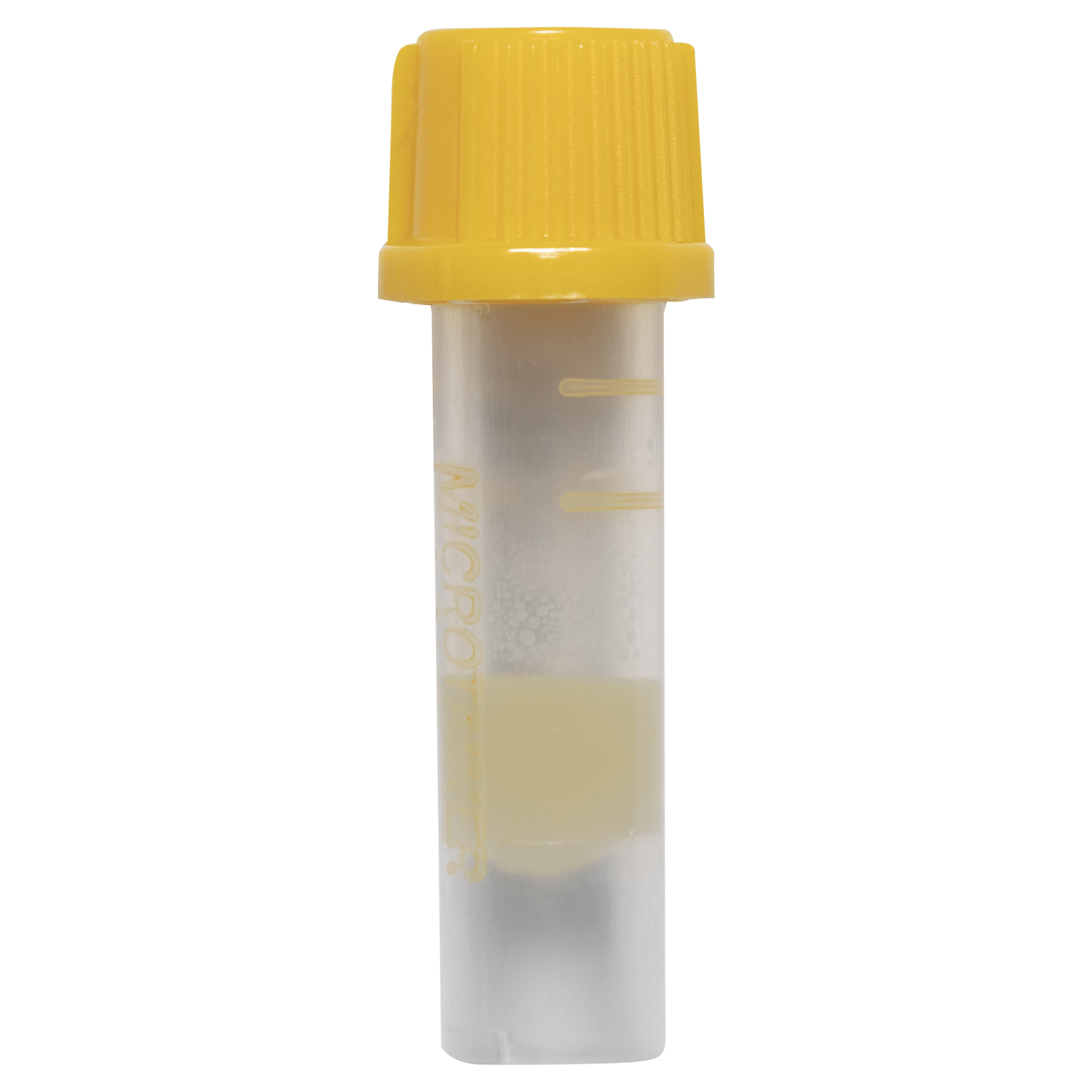
1 x Blood collection tube
3 x Lancet
1 x Collection tube holder
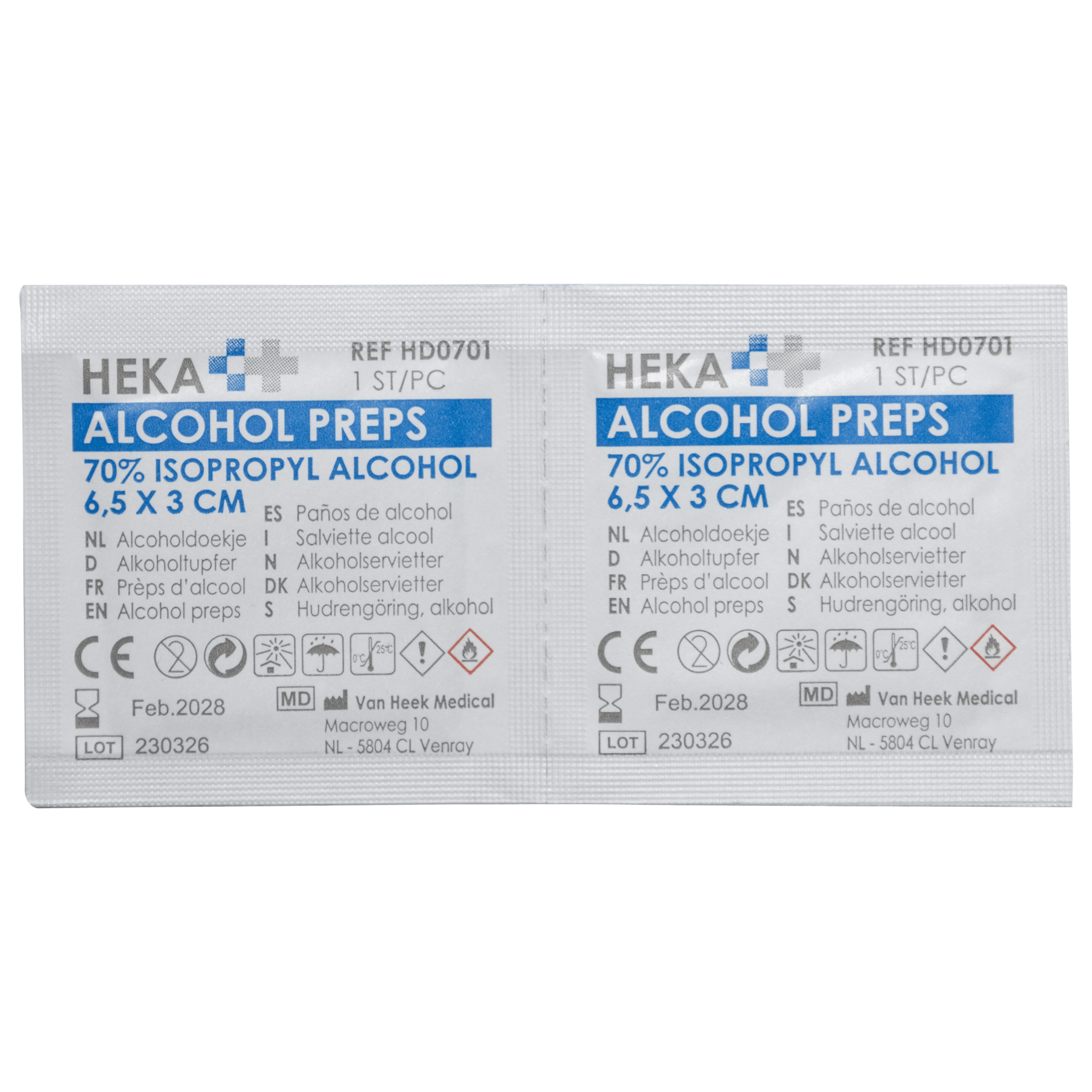
2 x Alcohol wipe
1 x Return envelope
barcodesticker serum
1 x Blood barcode sticker
2 x Plaster
1 x Gauze pad
1 x Protective bag with absorbent pad
1 x Instructions
activatiekaart
1 x Activation card

Manuals Basic Testosterone Test (Serum)

Contents Extended Testosterone Test (Serum)

1 x Blood collection tube
3 x Lancet
1 x Collection tube holder
2 x Alcohol wipe
1 x Return envelope
barcodesticker serum
1 x Blood barcode sticker
2 x Plaster
1 x Gauze pad
1 x Protective bag with absorbent pad
1 x Instructions
activatiekaart
1 x Activation card

Manuals Extended Testosterone Test (Serum)

What about my privacy?

We keep your testing as anonymous as possible. How do we do that?

Your order

Your order details are retained for as long as necessary and are removed from the webshop after 2 months.

Your test kit

Your order is delivered in discreet, unbranded packaging. The test kit itself also contains no visible information about what is being tested.

The laboratory

For an anonymous analysis, you can choose to share only your date of birth and gender with the laboratory. No other personal information is shared.

Your result

You can download your laboratory result for one month. After this period, we automatically delete the report.

Your account

You can delete your account at any time. If your account is inactive for 2 years, it will be automatically deleted.

How does it work?

Your result in four simple steps
Order a test
Step 1

Order a test

After placing your order, you will receive the test kit in discreet packaging. Use the information provided in the box to activate your test kit.
You will receive your order in discreet packaging.
Collect and send your sample
Step 2

Collect and send your sample

You can easily collect the samples yourself whenever it suits you and return them free of charge in the enclosed return envelope.
With our free return envelope.
Sample analysis
Step 3

Sample analysis

Once your sample has arrived at the laboratory, you will usually receive your test result within one working day.
Results usually within 1–2 working days.
Receive your results
Step 4

Receive your results

You will receive an email when your test result is ready, and you can view your result online in a secure environment.
View and download your results in your secure online account.

Frequently Asked Questions Everything about Testosterone test

Yes, our testosterone test is highly reliable. We only work with accredited medical laboratories that also perform testing for many Dutch hospitals. Your sample is analysed using advanced laboratory equipment that is maintained according to the highest quality standards.

All test results are also reviewed and validated by a medical professional. This ensures a careful and accurate analysis of your sample.

You can therefore rely on the result to provide a reliable indication of your testosterone level.

The testosterone test is suitable for both men and women who want insight into their testosterone level. This can help in understanding symptoms such as fatigue, reduced libido, mood swings, or loss of muscle mass.

When interpreting the result, we always take age and sex into account, as the reference values differ based on these factors. This ensures that you receive a result that is tailored to your personal situation.

Testosterone levels in the body follow a clear daily pattern, also known as the circadian rhythm. In the early morning, usually between 06:00 and 10:00 AM, testosterone reaches its highest level. Throughout the rest of the day, this value gradually decreases.

Because medical reference ranges are based on morning measurements, it is important to take your sample during this period. By performing the test before 10:00 AM, your testosterone level can be accurately and reliably compared with these standards.

This prevents a naturally lower testosterone level later in the day from being incorrectly interpreted as abnormal. This way, you receive a clear, medical, and reliable assessment of your hormone balance. You do not need to be fasting for a testosterone test.

It is useful to have your testosterone level checked when you experience symptoms that may indicate a hormonal deficiency or excess. Testosterone plays an important role in energy, mood, libido, muscle development, and overall hormone balance. When this hormone is out of balance, various symptoms can occur.

Common reasons to test testosterone include:

  • Fatigue or lack of energy
  • Reduced libido or erectile dysfunction (in men)
  • Loss of muscle mass or reduced physical strength
  • Mood swings or low mood
  • Irregular menstruation or excessive hair growth (in women)
  • Suspected symptoms of hypogonadism (low testosterone in men)
  • Suspected PCOS (in women, often associated with menstrual problems or fertility issues)

In addition, a testosterone test is often recommended during medical evaluations where hormone balance, fertility, or androgens play a role.

Men
For men over the age of 50, periodic testing may be advisable because testosterone levels naturally decrease with age.

Women
Women often have their testosterone levels tested when experiencing symptoms that may indicate PCOS or an irregular menstrual cycle.

For the most reliable result, testosterone should preferably be measured in the morning before 10:00 AM, as the hormone follows a clear daily rhythm.

This testosterone test measures the total testosterone level in your blood. This total consists of both free testosterone and testosterone that is bound to transport proteins such as SHBG and albumin. This provides a reliable and complete picture of your hormone level.

Testosterone is an important hormone that is mainly produced in the testicles in men and in the ovaries and adrenal glands in women. It plays a role in areas such as energy, muscle development, libido, and overall hormone balance.

A testosterone test can help identify hormonal imbalances:

  • In men, the test can provide indications of conditions such as hypogonadism, where the body produces insufficient testosterone.
  • In women, the test can provide insight into hormonal abnormalities such as PCOS (polycystic ovary syndrome), which can lead to irregular menstruation, fertility problems, and other symptoms.

By measuring your testosterone, you gain valuable information about your hormonal health and possible underlying causes of your symptoms.

A healthy testosterone level varies by sex, age, and overall health. Men naturally have significantly higher testosterone levels than women. In addition, testosterone levels in men gradually decrease as they get older.

The reference values below provide a general indication of what is considered normal. Please note that laboratories may use slightly different reference ranges. For a personal interpretation of your results, it is always advisable to consult a doctor.

GroupNormal value (nmol/L)
Adult men10–30 nmol/L
Adult women0,7 – 2,9 nmol/L
Men > 50 yearsMay gradually decrease

These values provide a general guideline. Your result is always compared with the reference ranges that apply to your age and sex, ensuring the interpretation is as accurate as possible.

The body distinguishes between free testosterone and total testosterone, and both values provide important information about your hormone balance.

Total testosterone

Total testosterone is the sum of all forms of testosterone in your blood:

  • Free testosterone (approximately 1–3%)
  • Bound testosterone, attached to proteins such as SHBG (sex hormone-binding globulin) and albumin

Because it represents the total amount, it is the most commonly used and most reliable initial test for assessing testosterone levels.

Free testosterone

Free testosterone is the portion that is not bound to proteins. This hormone is biologically active and can be used directly by cells. Although it makes up only a small percentage of total testosterone, an abnormal value can provide important information about hormone balance or symptoms.

When is the difference important?

For an initial assessment, total testosterone is usually sufficient.

Free testosterone can provide additional insight when hormonal disorders are suspected, SHBG levels are abnormal, or when total testosterone appears normal but symptoms persist.

Together, both values provide a more complete picture of your hormone balance.

Testosterone is an important sex hormone that plays a role in both men and women. Although men naturally have higher levels, testosterone is essential for a healthy hormone balance in both sexes.

Function of testosterone in men

In men, testosterone is mainly produced in the testicles. The hormone is involved in, among other things:

  • Maintaining bone mass and strong bones
  • Muscle development and muscle strength
  • Fat distribution in the body
  • Libido (sex drive)
  • The production of red blood cells
  • Sperm production and fertility

Function of testosterone in women

In women, testosterone is produced in smaller amounts in the ovaries and adrenal glands. It plays a role in:

  • Maintaining bone strength
  • Libido and sexual arousal
  • Mood and energy levels

Although the functions differ between sexes, testosterone contributes to a healthy physical and mental balance in everyone.

Treatment for low testosterone depends on the cause, the severity of the symptoms, and your overall health. In men, Testosterone Replacement Therapy (TRT) is usually considered. This treatment aims to bring testosterone levels back within the normal range.

Treatment in men

TRT (Testosterone Replacement Therapy) can be administered through:

  • Gels (applied to the skin)
  • Injections (short- or long-acting)
  • Tablets or capsules
  • Implants under the skin (pellets)

These forms gradually increase testosterone levels and help keep them stable. A doctor determines which form is most suitable for your situation.

Treatment in women

Testosterone replacement in women has been less extensively studied and is therefore used more cautiously. In some cases, women with proven low testosterone levels may benefit from:

  • Hormonal therapies containing oestrogen and a small amount of testosterone

The choice of treatment depends greatly on the symptoms, the underlying cause, and the medical history.

Consult a doctor

A low testosterone level does not automatically mean that TRT is the right solution. A doctor will first investigate the underlying cause and then discuss which treatment or support is most appropriate.

Always discuss with your GP or specialist whether TRT or another therapy is suitable and safe for you.