Insight into your sexual health?

Test now for 9 common STIs.

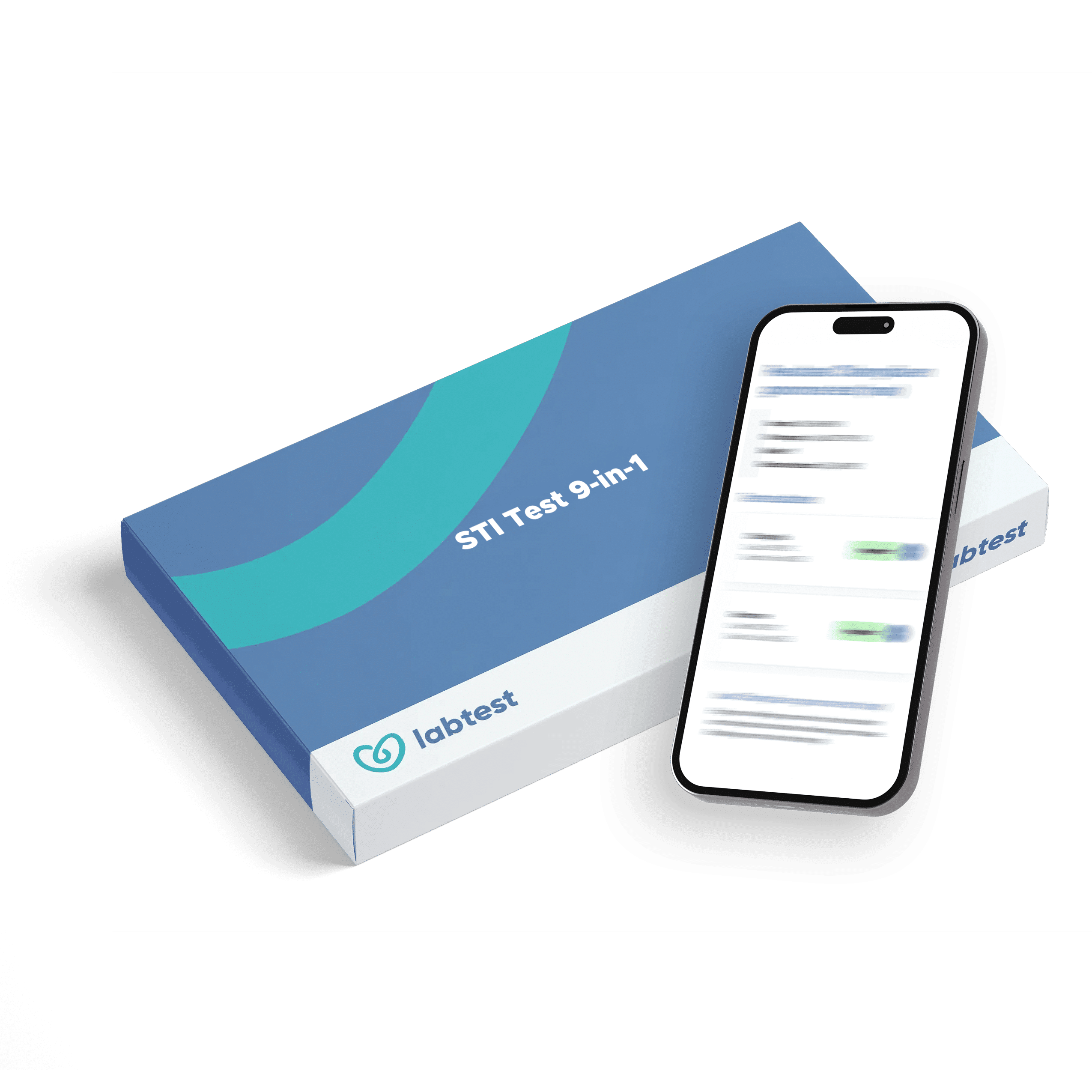
Test for nine common STIs without visiting a doctor or clinic. This test includes Trichomonas, Gonorrhoea, Chlamydia, Mycoplasma genitalium, Mycoplasma hominis, Ureaplasma urealyticum, Ureaplasma parvum and Herpes simplex virus I & II. Test easily from home, with results provided by a certified laboratory.

  •  
  • Test anonymously from home
  • ISO-certified laboratory
  • Reliable, discreet and secure
  • Pickup point / parcel locker available
  • Results validated by a biochemist
From just 109,00
sti test 9-in-1
Popular

STI Test 9-in-1

Do you want to be sure about your sexual health without immediately having to visit your doctor or a clinic? With this home test, you can easily and discreetly test yourself for nine common STIs, including chlamydia, herpes, mycoplasma and ureaplasma.

Some STIs cause symptoms, but often you may not notice anything at all. That is why testing is so important. You collect a urine sample or vaginal swab yourself at home, safely, quickly and anonymously. Within a few days, you will receive reliable and certified results from the laboratory.

Testing method

For men: a urine test
For women: vaginal swab

We test for:

109,00

  • Discreetly packaged and anonymously tested
  • Fits through the letterbox
  • Tested in an ISO-certified laboratory
  • Pickup point / parcel locker available
  • Results validated by a biochemist
  • More than 1,800 people have already tested with us. Rated 9.7!

What is the STI Test 9-in-1?

The STI Test 9-in-1 is a comprehensive test that you can easily perform at home. This test checks for 9 common STIs:

    • Chlamydia
    • Gonorrhoea
    • TrichomonasMycoplasma genitalium
    • Mycoplasma hominis
    • Herpes Simplex type I
    • Herpes Simplex type II
  • Ureaplasma urealyticum
  • Ureaplasma parvum

For men, the test consists of a urine sample. For women, a vaginal self-sampling swab is used.

How does the STI Test 9-in-1 work?

Order the test through our website. You can choose whether you want to use a urine test or a swab. Perform the test at home using the clear instructions provided. Send the sample back to our certified laboratory and receive your results within a few days through a secure online environment.

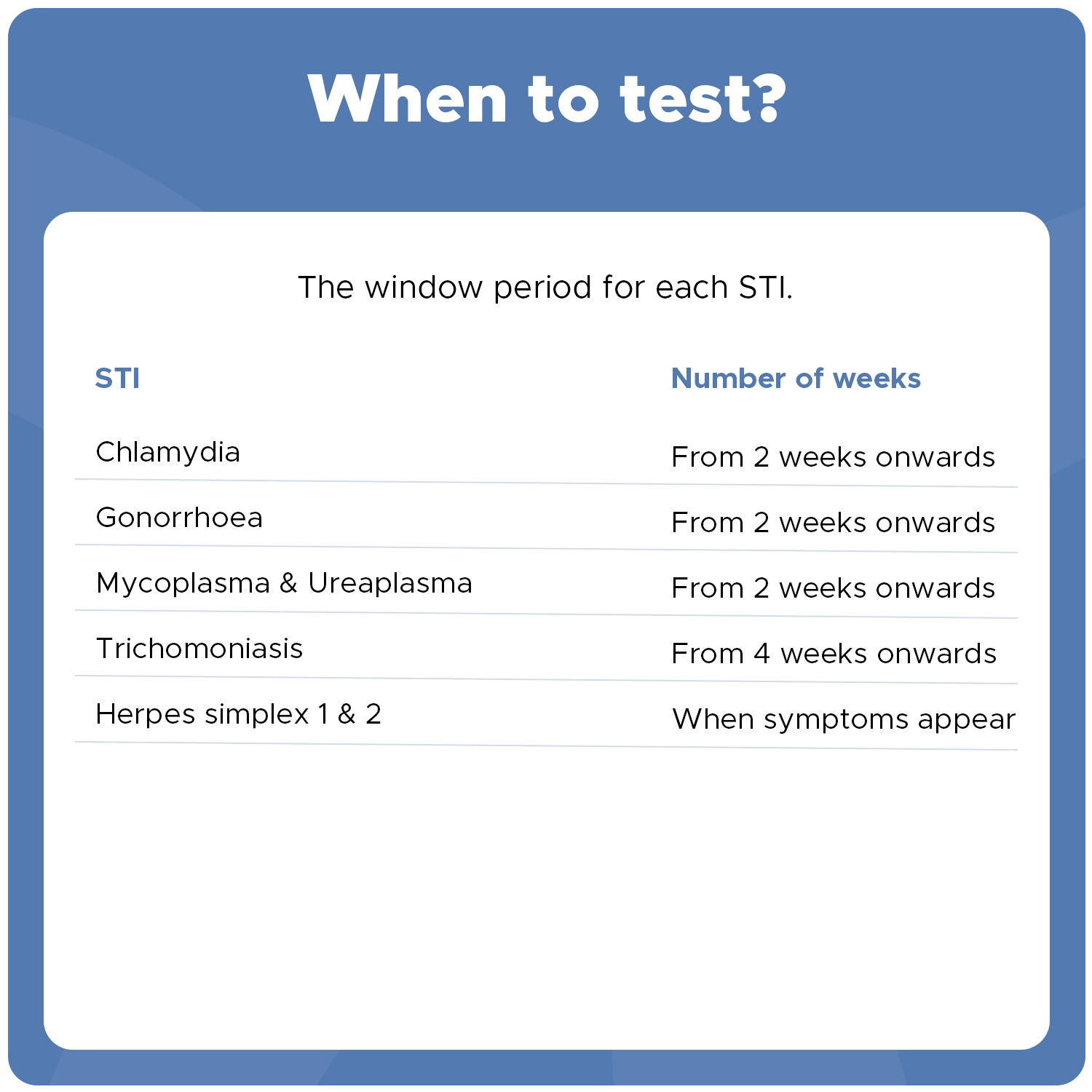
When is the best time to test?

After risky sexual contact, it is important to take the window period into account: the period between infection and the point at which an STI can be reliably detected by a test.

Below you can see how long it is best to wait before testing for each STI:

  • Chlamydia: 2 weeks
  • Gonorrhoea: 2 weeks
  • Trichomonas: 4 weeks
  • Mycoplasma genitalium: 2 weeks
  • Mycoplasma hominis: 2 weeks
  • Herpes Simplex type I: as soon as visible blisters appear
  • Herpes Simplex type II: as soon as visible blisters appear
  • Ureaplasma urealyticum: 2 weeks
  • Ureaplasma parvum: 2 weeks

Do you have symptoms, have you been notified by a (former) partner, or do you simply want to be sure you are STI-free? Then this test is a suitable choice.

Chlamydia

Chlamydia is a common STI that often causes no symptoms. If symptoms do occur, they may include:

  • Pain or a burning sensation when urinating
  • Discharge from the penis
  • Pain or a heavy feeling in the scrotum/testicles
  • Pain during sex
  • Sometimes a mild fever or feeling generally unwell

Gonorrhoea

Gonorrhoea often causes symptoms quickly:

  • Discharge from the penis (often yellow or green)
  • Pain or a burning sensation when urinating
  • Pain or swelling in the scrotum/testicle
  • Sometimes a sore throat or anal symptoms after oral or anal sex

Mycoplasma genitalium

This STI can cause symptoms similar to chlamydia or gonorrhoea, but it is tested for less often:

  • Pain when urinating
  • Discharge from the penis
  • Pain in or around the testicles
  • Sometimes pain during sex

Trichomonas

In men, trichomonas often causes no symptoms. If symptoms do occur, they may include:

  • Watery or foamy discharge from the penis
  • Itching or irritation of the glans penis
  • Pain or a burning sensation when urinating

Herpes (type 1 and 2)

  • Genital herpes causes recurring outbreaks of blisters or sores:
  • Tingling or burning sensation around the penis, anus or mouth (before an outbreak)
  • Red bumps that develop into painful blisters or sores
  • Pain when urinating
  • Fever, fatigue and swollen lymph nodes may occur during the first outbreak

Herpes remains in the body and can return.

Please note

Not everyone experiences symptoms from an STI. You can therefore be infected without noticing anything. If you have had unprotected sex, symptoms, or your partner has tested positive, get tested even if you have no symptoms. The sooner you test, the sooner you can receive treatment and help prevent further transmission.

STI symptoms in women

STIs (sexually transmitted infections) do not always cause symptoms. This means you can have an STI without noticing it. However, there are several symptoms you can look out for. Below you will find the possible symptoms for women for each STI.

Chlamydia

Chlamydia is one of the most common STIs. Often, you do not notice anything, but sometimes you may experience:

  • Pain during sex
    Sexual intercourse may feel uncomfortable or painful.
  • Bleeding after sex
    Sometimes bleeding can occur after intercourse.
  • Bleeding between periods
    Unexpected bleeding between menstrual periods.
  • Pain when urinating
    A burning sensation or pain when urinating.
  • Changes in vaginal discharge
    For example, more discharge or a different colour or smell than usual.
  • Mild lower abdominal pain
    Sometimes you may feel a dull pain or pressure in the lower abdomen.

Gonorrhoea

Gonorrhoea can cause symptoms similar to chlamydia:

Abdominal pain or lower abdominal pain
Especially during or after menstruation.
Painful urination
A burning sensation when urinating.
Changes in vaginal discharge
Sometimes yellow-green, thicker or with a different smell.
Pain during sex
Mycoplasma genitalium

This less well-known STI can also cause symptoms:

Pelvic pain or lower abdominal pain
Pain when urinating
Bleeding between periods
Pain during sex
Changes in vaginal discharge
Trichomonas

Trichomonas is a parasite that causes inflammation. Possible symptoms include:

Painful urination
Greenish or yellowish discharge, often with an unpleasant smell
Itching, irritation or redness around or inside the vagina
Genital herpes (type I & II)

Herpes is caused by a virus and remains present in your body for life. Symptoms may include:

Painful blisters or sores in or around the vagina, anus or mouth
Itching, tingling or a burning sensation before or during an outbreak
Changes in vaginal discharge
Pelvic pain or pressure
Fever
Headache
Swollen glands

The first outbreak is often the most severe. After that, the virus can occasionally cause symptoms again.

Finally
Do you have one or more of these symptoms, or have you had unprotected sex? Get tested, even if you do not have symptoms. Many STIs can be treated effectively, but the sooner you detect them, the better.

What is a sexually transmitted infection (STI)?

A sexually transmitted infection, commonly referred to as an STI, is an infection that can be acquired through sexual contact. The bacteria or viruses that cause an STI can be transmitted through the penis, vagina, anus, mouth or even through fingers or sex toys.

Many STIs do not cause symptoms, especially in the early stages. This means you can have an STI without knowing it. However, they can still cause damage in the body, such as inflammation, reduced fertility or complications during pregnancy. That is why it is important to get tested if you have been at risk.

Overview of common STIs

Gonorrhoea – a contagious bacterial STI

Gonorrhoea is caused by the bacterium Neisseria gonorrhoeae and is highly contagious. Around 90% of men and 40–70% of women with gonorrhoea develop symptoms, such as pain when urinating or changes in vaginal discharge.

Without treatment, gonorrhoea can lead to serious complications:

  • In women: pelvic inflammatory disease, infertility, increased risk of ectopic pregnancy or complications during pregnancy.
  • In men: inflammation of the epididymis or prostate.

Sometimes the infection spreads to other parts of the body, such as the joints.
Fortunately, gonorrhoea can be treated effectively with antibiotics.

Chlamydia – a common STI

Chlamydia is one of the most common STIs and is caused by the bacterium Chlamydia trachomatis. The infection usually affects the urethra, cervix, anus or throat. Many people do not notice any symptoms, but it can still have consequences.

Without treatment, chlamydia can lead to:

  • In women: inflammation of the uterus, fallopian tubes or pelvis (PID), which can lead to infertility or ectopic pregnancy.
  • In men: inflammation of the epididymis.
  • In newborns: eye infections or pneumonia if the mother is infected during childbirth.

Chlamydia can usually be treated effectively with a course of antibiotics.

Mycoplasma genitalium – an often unnoticed bacterium

Mycoplasma genitalium (MG) is a bacterium that can cause STI-like symptoms but often does not cause any symptoms. It is transmitted through unprotected vaginal, anal or oral sex.

MG can lead to:

  • Inflammation of the urethra, cervix or fallopian tubes
  • Pelvic inflammatory disease, infertility or miscarriage (less commonly than with chlamydia)

The infection can sometimes clear on its own, but it is usually treated with antibiotics. Unfortunately, this bacterium can sometimes be difficult to treat due to antibiotic resistance.

Herpes (HSV) – a virus that remains dormant

Herpes is caused by the herpes simplex virus (HSV-1 or HSV-2). It is mainly transmitted through skin-to-skin contact and can cause sores around the mouth, genitals or anus.

Characteristics:

  • Blisters or painful sores
  • Itching, tingling or a burning sensation
  • Recurring outbreaks (the virus remains in the body)

Herpes cannot be cured, but antiviral medication can reduce outbreaks and relieve symptoms.

Trichomonas – a parasite that often causes no symptoms

Trichomonas is an STI caused by the parasite Trichomonas vaginalis. Many people do not notice anything, but it can cause inflammation in the vagina, urethra or cervix.

Possible effects:

  • Itching, discharge, pain when urinating or during sex
  • Increased risk of other STIs
  • Risk of premature birth or low birth weight in pregnant women

Trichomonas can be treated effectively with antibiotics. Important: sexual partners should also be treated to prevent reinfection.

Finally
STIs are nothing to be ashamed of. Anyone who is sexually active can get an STI. If you think you have been at risk or have symptoms, get tested. Many STIs can be treated effectively, especially when detected early.

What does your test result mean?

If you order an STI test through Labtest.nl, you will receive clear and reliable test results in your personal dashboard. Test results provide a snapshot in time and can be influenced by factors such as diet, lifestyle, medication and the timing of sample collection. Abnormal values do not automatically mean that there is a medical condition. This result helps you understand whether an STI is present and what steps you can take afterwards.

What does a negative result mean?

A negative result means that there are no indications of the presence of the tested STIs in the submitted sample. You do not need to undergo treatment.

You have been tested for, among others:

  • Chlamydia
  • Gonorrhoea
  • Mycoplasma genitalium
  • Trichomonas
  • Herpes type I & II

Please note: Have you recently had unprotected sex? It is possible that you tested too early. In that case, it is advisable to test again after a few weeks.

What does a positive result mean?

A positive result means that you are infected with an STI at that time. This requires medical treatment to cure the infection and prevent further transmission. Take your result to your doctor for appropriate treatment.

Also inform your (recent) sexual partners so they can get tested as well. This helps prevent reinfection and further spread.

Many STIs can be treated effectively with, for example, antibiotics or antiviral medication.

How do you receive the results?

Through your personal online dashboard, you can:

  • View your laboratory result
  • Read clear explanations for each individual STI

All our test results are reviewed by medically qualified staff before they are shared with you.

The result of the Complete STI Test clearly indicates for each STI whether the test result is positive or negative.

How quickly will you receive your result?

After your test sample has arrived at the laboratory, it usually takes another 2 to 5 working days before you receive your result. You will automatically receive a notification once your result is available in your online environment.

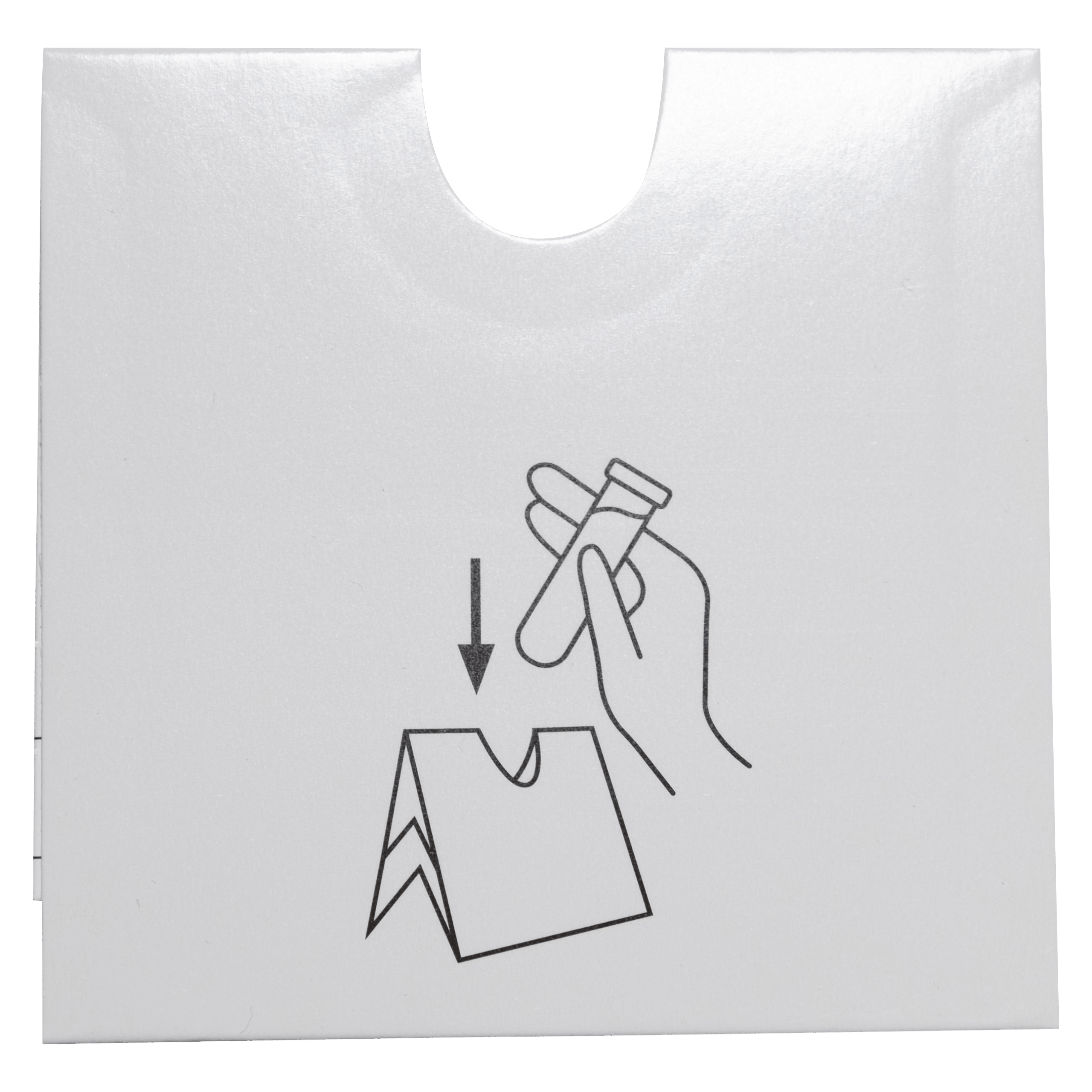
Contents STI test for men 9-in-1 (Urine)

1 x Pipette
barcodesticker urine
1 x Urine barcode sticker
1 x Collection tube holder
1 x Alcohol-free disinfectant wipe
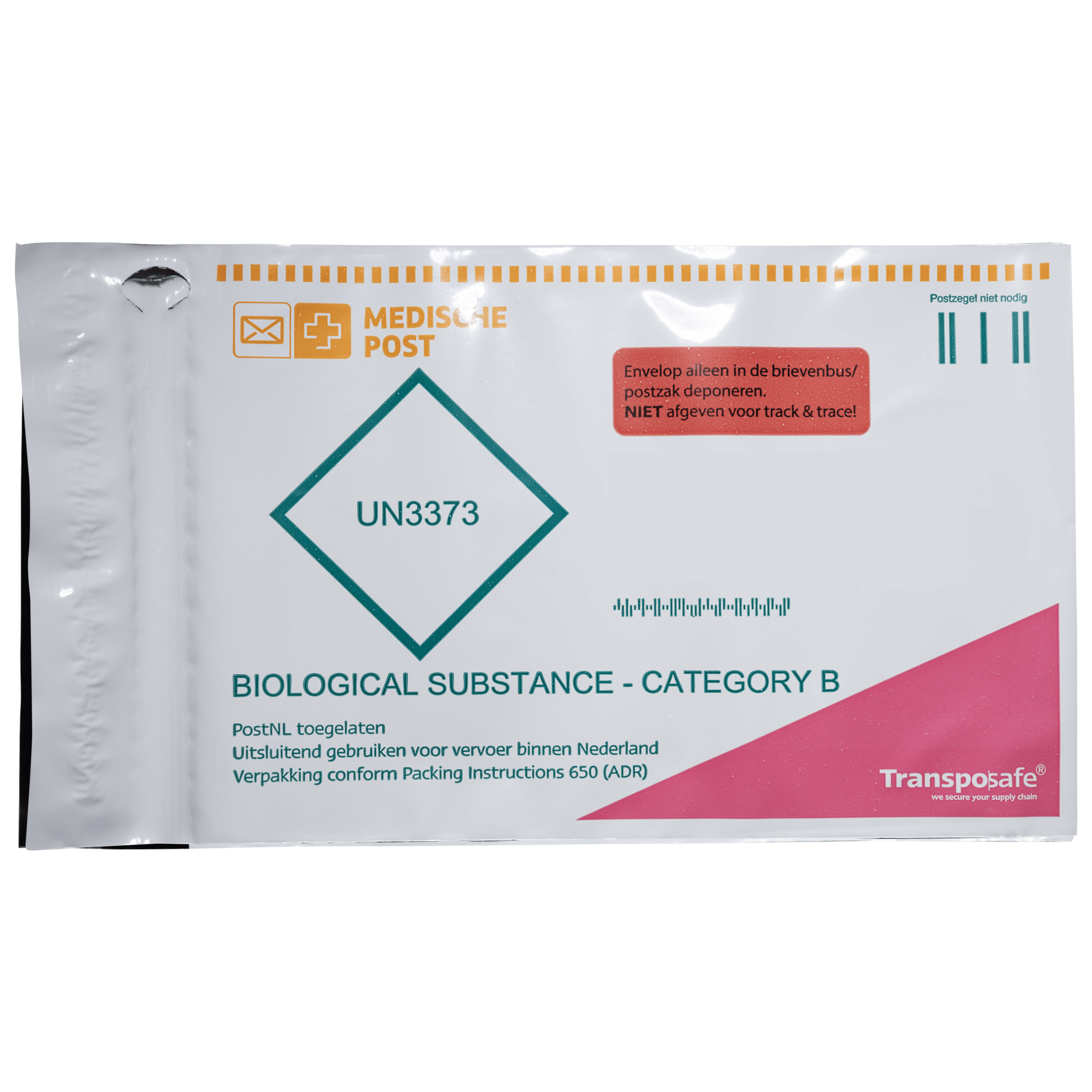
1 x Return envelope
1 x Instructions
1 x Protective bag with absorbent pad
activatiekaart
1 x Activation card

Manuals STI test for men 9-in-1 (Urine)

Contents STI test for women 9-in-1 (Vaginal Swab)

1 x Cotton swab
barcodesticker serum
1 x Swab barcode sticker
1 x Collection tube holder
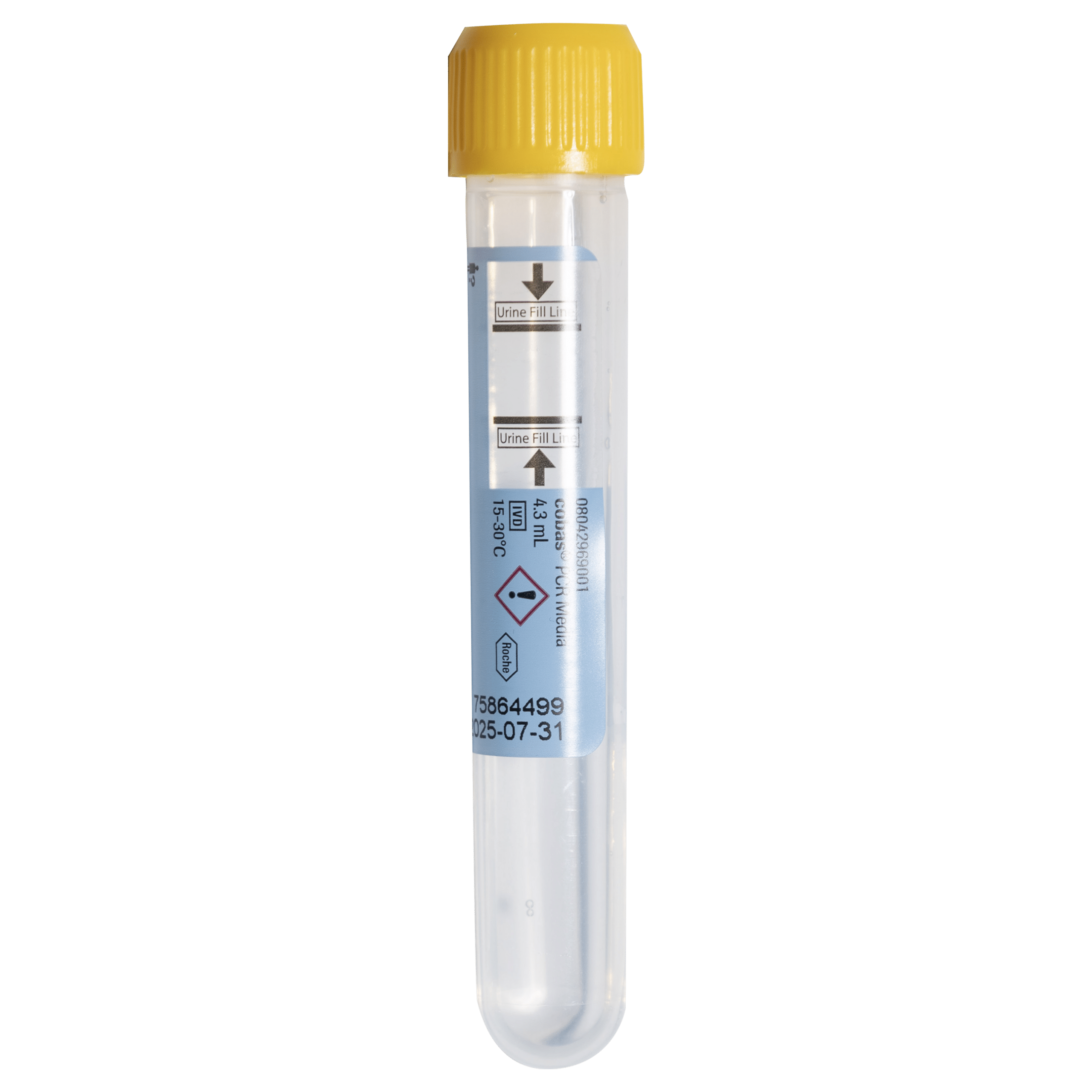
1 x Vaginal swab collection tube
1 x Return envelope
1 x Instructions
1 x Protective bag with absorbent pad
activatiekaart
1 x Activation card

Manuals STI test for women 9-in-1 (Vaginal Swab)

What about my privacy?

We keep your testing as anonymous as possible. How do we do that?

Your order

Your order details are retained for as long as necessary and are removed from the webshop after 2 months.

Your test kit

Your order is delivered in discreet, unbranded packaging. The test kit itself also contains no visible information about what is being tested.

The laboratory

For an anonymous analysis, you can choose to share only your date of birth and gender with the laboratory. No other personal information is shared.

Your result

You can download your laboratory result for one month. After this period, we automatically delete the report.

Your account

You can delete your account at any time. If your account is inactive for 2 years, it will be automatically deleted.

How does it work?

Your result in four simple steps
Order a test
Step 1

Order a test

After placing your order, you will receive the test kit in discreet packaging. Use the information provided in the box to activate your test kit.
You will receive your order in discreet packaging.
Collect and send your sample
Step 2

Collect and send your sample

You can easily collect the samples yourself whenever it suits you and return them free of charge in the enclosed return envelope.
With our free return envelope.
Sample analysis
Step 3

Sample analysis

Once your sample has arrived at the laboratory, you will usually receive your test result within one working day.
Results usually within 1–2 working days.
Receive your results
Step 4

Receive your results

You will receive an email when your test result is ready, and you can view your result online in a secure environment.
View and download your results in your secure online account.

Frequently Asked Questions Everything about STI Test 9-in-1

For the STI Test 9-in-1, only a urine sample (for men) or a vaginal swab (for women) is required.

Have you recently found out that you have an STI?

It is important to inform your recent sexual partners. This helps prevent them from developing symptoms or complications, passing the infection on to others, or you becoming reinfected if you have sex with them again.

In most cases, it is advisable to inform everyone you have had sex with in the past 6 months. In some situations, it is also a good idea to notify earlier partners, for example if you have not been tested regularly and are unsure who you contracted the STI from. Discuss with your GP or the GGD who you should contact.

How do you tell your sexual partner(s)?

It can be difficult, but there are several ways to make it easier:

  • Personally, by phone or email.
  • Anonymously, through websites such as partnerwaarschuwing.nl. This allows you to let someone know that they should get tested without mentioning your name.
  • With help from a doctor or nurse, for example from your GP or the GGD.

Whichever method you choose, informing your partners is an important step. This allows them to get tested as well and receive treatment if necessary.

Many people confuse these terms.

Incubation period

Meaning: The time between becoming infected and the appearance of the first symptoms.
Focus: Symptoms.

Example: With flu, the incubation period is usually 1 to 4 days.

Window period

Meaning: The time between becoming infected and the moment when an infection can be detected by a test.
Focus: Detectability (e.g. through blood testing).

Example: With HIV, the window period is usually 2 to 6 weeks — during this period, someone may already be infected, but a test can still give a false-negative result.

In the Netherlands, you can get tested for an STI free of charge at the GGD if you are under 25 years old or if you have an increased risk of an STI. If you are over 25 and do not belong to a risk group, you can get tested by your GP or use one of our home tests.

A home test is convenient because you can do it at home and the sample is analysed in a laboratory, just like a test arranged through your GP. However, it does not replace medical advice from a doctor if the result is positive. We cannot perform a physical examination, provide complete treatment, or offer further medical care.

If one of our STI tests shows a positive result, always contact your GP with the result for proper advice and further support.

At the moment, health insurers do not reimburse our tests. If you are under 25 years old and belong to a risk group, the STI test is free at the GGD.

If you visit your GP, the test is usually charged to your deductible. Whether you have to pay any additional costs depends on your health insurance. If necessary, check this with your insurer.

If you do not belong to a risk group or if the GGD is busy, you can get tested by your GP or choose one of our home tests. Please note that we currently do not have agreements with health insurers, so the costs are your own responsibility.

You can complete this STI test entirely at home. If you receive a positive result and would like medical guidance, or if you have symptoms but the result is negative, please contact your GP. Take your test results with you so you can discuss the next steps together.

Yes, all our (STI) tests are 100% anonymous. Your GP will not be informed about the test unless you decide to share the results for further diagnosis or treatment.

This test is performed using a swab.
Please note: not all STIs can be detected with a swab. Sometimes a urine test or finger-prick test is required.

For privacy reasons, our test kits do not contain any personal information. Therefore, you must first register your test using the unique 10-digit kit code before sending it to the laboratory.

This ensures that your test is correctly linked to your account. Without registration, the laboratory cannot process your test and you will not receive your results.

You receive your test results with a clear explanation and a digital laboratory report. With this report, you can visit your GP for further treatment.

If your test result is positive, we recommend contacting your GP or another doctor for the appropriate treatment.

Our STI tests are designed for home use. They have been extensively tested and validated by a recognised laboratory. This ensures reliable results, with accuracy comparable to samples collected by a doctor, hospital, GGD or clinic.

All collected samples are analysed in an ISO-certified laboratory. This means our tests meet strict medical quality standards. Only carefully validated tests are offered by us.

No, in most cases it is not. Not everyone is eligible for a free STI test at the GGD. The GGD provides free STI care to people who have an increased risk of an STI, such as young people under a certain age, men who have sex with men, sex workers, or people who have been notified by a partner. If you do not meet the GGD criteria, view and order an STI test at Labtest.nl. Check with your local GGD to see if you qualify for a free test. Please note that there may be waiting times at the GGD.