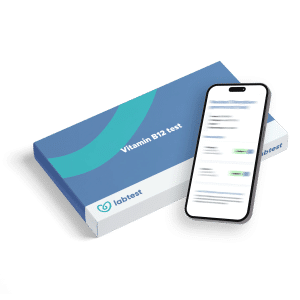
In short
- Vitamin B12 is an essential vitamin that is important for the production of red blood cells, the nervous system and energy metabolism.
- Your body cannot produce vitamin B12 itself and therefore depends on food or supplements.
- A vitamin B12 deficiency can cause symptoms such as fatigue, tingling in the hands or feet, difficulty concentrating and memory problems.
- A vitamin B12 deficiency is not always caused by insufficient intake, but can also result from reduced absorption in the intestines.
- A finger-prick blood test can determine whether your vitamin B12 level is within the normal range.
- Measuring vitamin B12 can help identify a possible cause of persistent or unexplained symptoms.
- Vegetarians, vegans, older adults and people with certain stomach or intestinal problems have an increased risk of vitamin B12 deficiency.
- Would you like to know whether you have enough vitamin B12? A vitamin B12 test can provide quick and reliable insight into your vitamin B12 status.
What is vitamin B12 and what role does it play in the body?
Vitamin B12 is an important vitamin that your body needs to function properly. It helps with the production of red blood cells, supports the normal functioning of the nervous system and plays a role in releasing energy from food. Without sufficient vitamin B12, various processes in your body may not function properly.
What are the symptoms of a vitamin B12 deficiency?
A vitamin B12 deficiency can cause various symptoms. Common symptoms include fatigue, weakness, dizziness, pale skin and shortness of breath. You may also experience tingling or numbness in your hands and feet, memory problems, difficulty concentrating and mood changes. In some cases, problems with walking or coordination may also occur.
What can cause a vitamin B12 deficiency?
A vitamin B12 deficiency often occurs because your body does not absorb the vitamin properly from food. This can be caused by a condition affecting the stomach or intestines, such as inflammation or previous surgery. People who eat few or no animal products (such as vegans) can also develop a deficiency because vitamin B12 is mainly found in animal products. Sometimes a deficiency is caused by a lack of intrinsic factor, a substance produced in the stomach that is needed for vitamin B12 absorption.
Which foods are high in vitamin B12?
Vitamin B12 is mainly found in animal products. Examples include meat, fish, eggs, milk, cheese and other dairy products. Plant foods do not naturally contain significant amounts of vitamin B12. For people who eat few or no animal products, vitamin B12 supplements or fortified foods (such as certain plant-based milks) are available.
Who is at increased risk of a vitamin B12 deficiency?
Certain groups have a higher risk of developing a vitamin B12 deficiency. These include older adults, people with stomach or intestinal conditions, people taking medications that can reduce vitamin B12 absorption (such as certain acid-reducing medications), and people following a vegan diet. Pregnant and breastfeeding women also have an increased requirement for vitamin B12.
How is a vitamin B12 deficiency diagnosed?
A vitamin B12 deficiency can be identified using a finger-prick blood test. This measures the amount of vitamin B12 in your blood. Sometimes other blood values are also measured, such as red blood cell levels and certain markers that may indicate a deficiency, to provide a more complete picture.
How can a vitamin B12 deficiency be treated?
If a test shows that you have a deficiency, your doctor may prescribe vitamin B12. This can be given as tablets or injections. In some cases, treatment may need to continue for life, particularly if your body cannot absorb the vitamin properly. It is also important to pay attention to your diet and consider supplements if you eat few or no animal products.
What are the possible consequences of a long-term vitamin B12 deficiency?
A long-term vitamin B12 deficiency can have serious consequences. It can lead to anaemia (too few red blood cells), damage to the nervous system, persistent tingling or numbness, memory problems and difficulty with movement. Some neurological symptoms can become permanent if the deficiency is not treated in time. It is therefore important to have your vitamin B12 level checked if you have symptoms or an increased risk of deficiency.
This article is for informational purposes only and is not a substitute for medical advice from a doctor. If your symptoms persist or you are concerned, always contact your doctor.
Test jezelf thuis op Vitamin B12 met deze testen:
-

Vitamin B12 test
Easily check your vitamin B12 level at home with this test and receive your results within a few days. €43,00Tested for:
Vitamin B12 -
Vitamin deficiency test
Do you have symptoms that could indicate a vitamin deficiency? The test is easy to take at home, and your sample is analysed in a certified laboratory. €63,00Tested for:
Folic acid, Vitamin B12, Vitamin D