In short
- HIV is a virus that attacks the immune system and can be transmitted through unprotected sex and blood-to-blood contact, among other routes.
- Shortly after infection, some people develop flu-like symptoms, but many people initially notice nothing.
- Without treatment, HIV can progressively weaken the immune system.
- An HIV infection cannot always be detected immediately, so it is important to take the recommended window period into account before testing.
- An HIV test can determine whether you are infected, even if you have no symptoms.
- The earlier HIV is detected, the sooner treatment can be started.
- With appropriate treatment, people living with HIV can now live long and healthy lives.
- Have you had a potential risk exposure or do you want to know your HIV status? An HIV test can provide clarity.
What exactly is HIV?
HIV is a virus that attacks the body’s immune system. The full name is Human Immunodeficiency Virus. HIV makes people more susceptible to other illnesses because it attacks the cells that normally protect the body against infections. You can only contract HIV if the virus enters your body through blood, semen, vaginal fluids or breast milk.
How does HIV usually progress?
After becoming infected with HIV, you may initially notice little or nothing. Some people develop flu-like symptoms after a few weeks. Without treatment, the virus remains in the body and gradually damages the immune system. This can take years. Eventually, HIV can lead to AIDS, a serious condition in which the body is no longer able to defend itself effectively against infections. With appropriate medication, however, people with HIV can now live a long life.
What are the symptoms and typical complaints of HIV?
Shortly after infection, you may develop flu-like symptoms such as fever, sore throat, muscle aches and a skin rash. After this, you may have no symptoms for a long time. Only when the immune system becomes severely weakened can symptoms such as weight loss, persistent diarrhoea, night sweats, fever and persistent infections occur. Without treatment, these symptoms usually develop only after several years.
How can you contract HIV?
You can contract HIV through unprotected sexual contact, sharing needles (for example when injecting drugs), blood transfusions involving infected blood (this is now extremely rare in the Netherlands), or from mother to child during pregnancy, childbirth or breastfeeding. The risk of infection is highest through unprotected sex with someone who has HIV.
How common is HIV?
Approximately 24,000 people in the Netherlands are living with HIV. Around 500 new infections occur each year. Compared with some other countries, HIV is not very common in the Netherlands, but it remains important to be aware of the risks.
Are there specific risk groups for HIV?
Yes, some groups have a higher risk of HIV. These include men who have sex with men, people who have sex with multiple partners without condoms, people who inject drugs and people from countries where HIV is more common.
How can you prevent HIV?
You can reduce the risk of HIV by practising safer sex, including using a condom when having sex with someone whose HIV status you do not know. Avoiding the sharing of needles or other injection equipment also helps prevent infection. For people at increased risk, there is medication called PrEP that can significantly reduce the risk of infection.
Which hygiene or behavioural measures reduce the risk of HIV?
Always use a new, clean condom during sex. Do not share needles or syringes. Get tested regularly if you belong to a higher-risk group. Discuss with your partner(s) whether they have been tested for HIV. Do not use other people’s toothbrushes or razors, as they can sometimes have traces of blood on them.
How can you prevent further transmission if you already have HIV?
If you have HIV, taking your medication as prescribed can prevent further transmission. Treatment can reduce the amount of virus in the body to an undetectable level, meaning it can no longer be sexually transmitted. This is known as ‘undetectable = untransmittable’ (U=U). Use condoms during sex if your partner does not have HIV or is unsure of their status. Inform your sexual partners so that they can get tested if appropriate.
Can HIV be treated?
HIV cannot currently be cured, but it can be treated effectively. Daily medication (antiretroviral therapy) can keep the virus under control. This helps keep your immune system strong and allows you to live a normal life. It is important to take the medication every day and attend regular medical check-ups.
This article is for informational purposes only and is not a substitute for medical advice from a doctor. If your symptoms persist or you are concerned, always contact your doctor.met je huisarts.
Test jezelf thuis op HIV met deze testen:
-

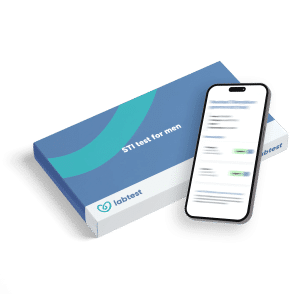
STI test for men
Get peace of mind and test yourself for the most common STIs with our STI test for men.From €49,95Tested for:
Chlamydia, Gonorrhea, Hepatitis B, Herpes Simplex Virus I & II, HIV, Mycoplasma genitalium, Mycoplasma hominis, Syphilis, Trichomonas, Ureaplasma urealyticum -
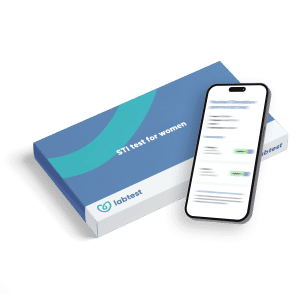
STI test for women
Get peace of mind and test yourself for the most common STIs with our STI test for women.From €49,95Tested for:
Chlamydia, Gonorrhea, Hepatitis B, Herpes Simplex Virus I & II, HIV, Mycoplasma genitalium, Mycoplasma hominis, Syphilis, Trichomonas, Ureaplasma urealyticum -
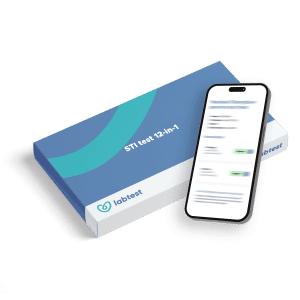
STI test 12-in-1
This test checks for 12 of the most common STIs, including HIV, herpes and hepatitis B. €149,00Tested for:
Chlamydia, Gonorrhea, Hepatitis B, Herpes Simplex Virus I & II, HIV, Mycoplasma genitalium, Mycoplasma hominis, Syphilis, Trichomonas, Ureaplasma parvum, Ureaplasma urealyticum -
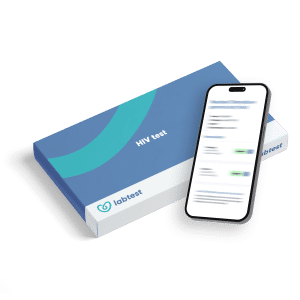
HIV test
This HIV test detects both HIV antibodies and the p24 antigen, allowing for earlier detection than an HIV rapid test. €49,00Tested for:
HIV